Which battery platform should you choose?
With a battery platform you buy batteries once and use them across many tools of the same brand. Here’s how to choose the platform that fits your work.

What is a battery platform?
A battery platform is one family of batteries that fits many tools of the same brand. The 18 V battery from your drill also goes into that platform’s circular saw, angle grinder or hedge trimmer. The charger belongs to the same system.
The benefit: you buy batteries and chargers only once. After that you can buy bare tools without a battery and keep using the batteries you already have. Choosing a platform is therefore usually a choice for years.
The major 18 V platforms
Makita calls its 18 V system LXT. DeWalt’s is XR 18V, and Milwaukee uses M18. All three offer tools for drilling, sawing, grinding and the garden, and each platform works with the brand’s own batteries.
Bosch Professional (blue) has an 18 V system that includes ProCORE18V batteries; through AMPShare, other brands use that battery too. Metabo uses 18 V batteries within CAS, the Cordless Alliance System, in which several brands share one battery. AMPShare and CAS publish their own lists of participating brands.
Ryobi ONE+ is an 18 V platform with many tools for home and garden. Einhell calls its system Power X-Change. Einhell’s 36 V tools run on two 18 V batteries at once, so they use the same batteries as the 18 V tools.
One brand, sometimes several systems
Many brands have a separate system next to 18 V. Makita XGT 40Vmax and Makita CXT 12Vmax are not interchangeable with LXT 18V. Milwaukee M12 is a compact system alongside M18, with its own batteries that don’t fit M18 tools.
DeWalt FlexVolt 54V works one way: a FlexVolt battery also fits 18V XR tools, but an 18V XR battery doesn’t fit a 54 V tool. Bosch green (Home & Garden, POWER FOR ALL) and Bosch blue (Professional) are separate lines. When in doubt, always check the manufacturer’s compatibility list.
How to choose
Start with the tools you need now and think about the years ahead. Every platform has a drill-driver, but the range of chainsaws, lawn mowers, vacuums or workshop tools differs more between brands. So look at a platform’s full list.
If you want to mow, trim and blow on the same battery later, pick a platform with a broad garden range. Also note heavy tools that use two batteries at once: you’ll need at least two batteries for those.
Kit or bare tool
A kit contains the tool with one or more batteries, a charger and often a case. Brands mark the bare tool without battery and charger differently: Makita codes end in Z, DeWalt in N or NT, Milwaukee in -0, and Bosch Professional calls it ‘solo’.
Ideally, buy batteries once, for example in your first kit, then add bare tools. That way you don’t pile up duplicate chargers. Do check which batteries a kit includes: a small battery suits a drill, while a saw or mower runs longer on a bigger one.
Comparing on ToolRango
ToolRango compares by version. Every kit and the bare tool are listed as separate versions, each with its own EAN and order number. You see exactly which batteries, charger and case are included, so you never compare a kit with a bare tool by mistake.
Frequently asked questions
Do batteries from different brands fit each other’s tools?
As a rule, no: batteries fit within one brand’s platform. Alliances such as CAS and AMPShare publish which brands take part. When in doubt, always check the manufacturer’s compatibility list.
Does a Makita 40V battery fit an 18V tool?
No. Makita XGT 40Vmax and Makita LXT 18V are separate systems whose batteries don’t fit each other’s tools. The same goes for Makita CXT 12Vmax.
What does ‘solo’ or ‘Z’ mean on a cordless tool?
It’s the bare tool without battery and charger. Makita uses the letter Z, DeWalt N or NT, Milwaukee -0 and Bosch Professional ‘solo’. Useful if you already own batteries for the same platform.
Keep browsing
ToolRango does not test tools. This guide sets out what manufacturers and standards say. Always follow the manual of your own tool.
Products from this guide
Popular products with a current price at the shops. Compare the prices on the product page.
- Bosch
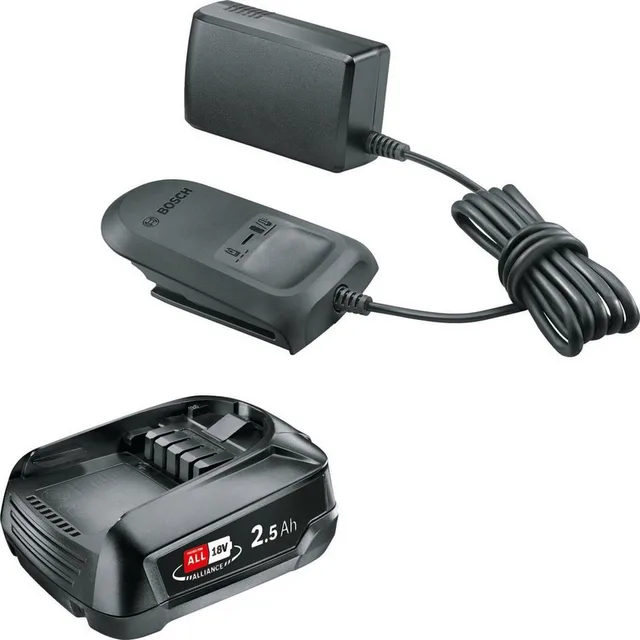
»PBA 18V 2.5Ah« Akku Starter-Set, inkl. Ladegerät
From €28 · 2 offers
- Makita
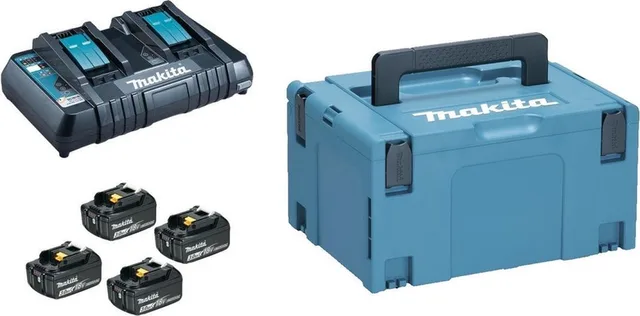
18V Li-Ion accu starterset (4x 3.0Ah)
197720-6 · duolader in Mbox€244.87 · 1 offer
- Stanley
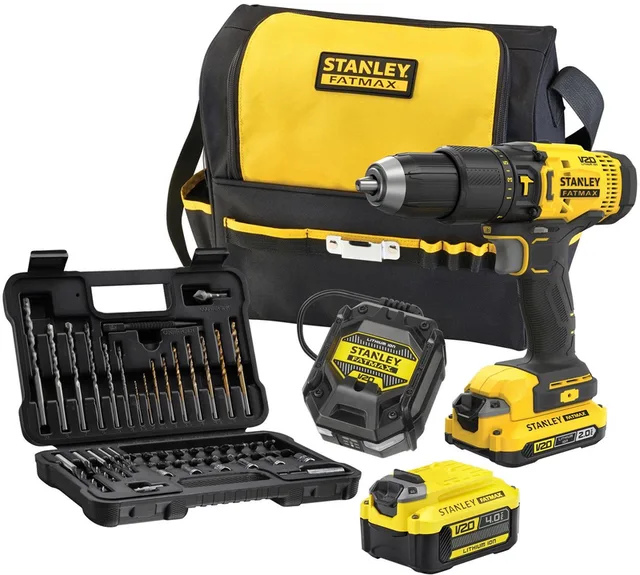
V20 18V Brushless Schroef-/klopboormachine
Rolmeter · Waterpas en Bitset in koffer (met 2x 2.0Ah accu en lader) SFMCK101D2T-QW€335 · 1 offer
- Bosch
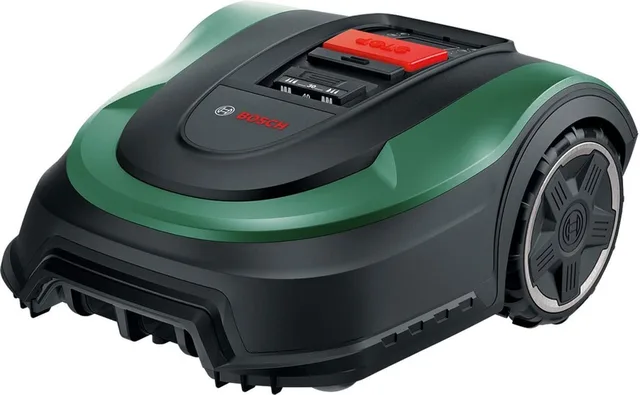
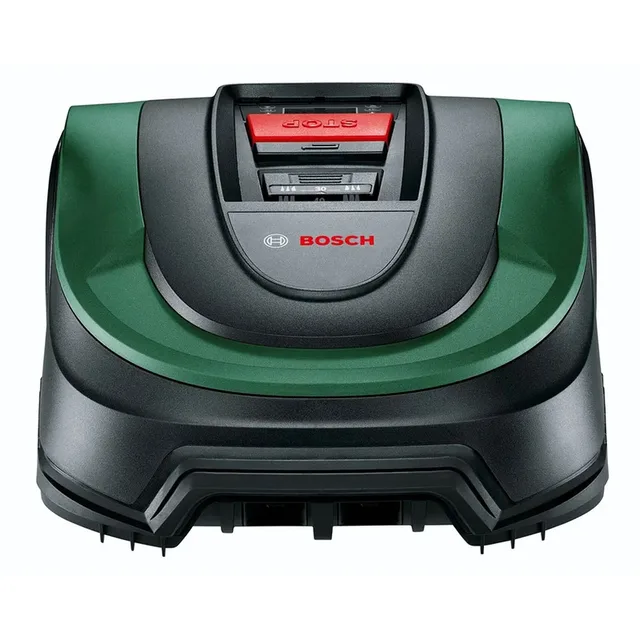
Indego M 700 Robotmaaier
Voor gazons tot 700 m2 · Incl. laadstation en accessoiresFrom €449.99 · 2 offers
- Bosch
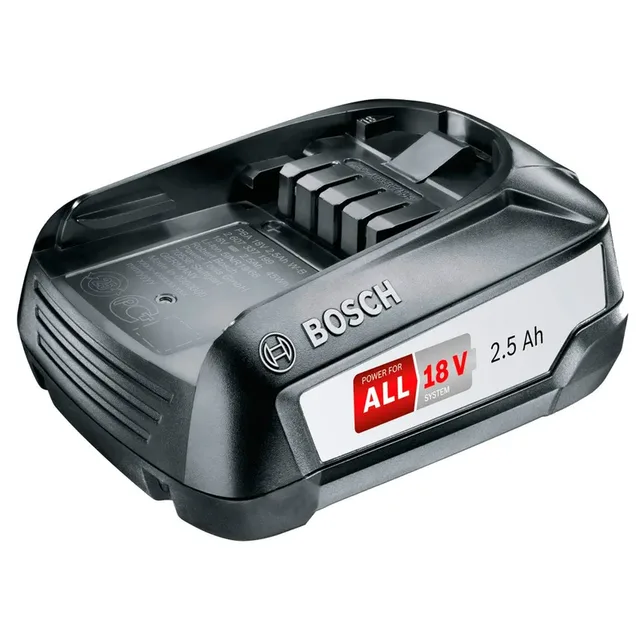
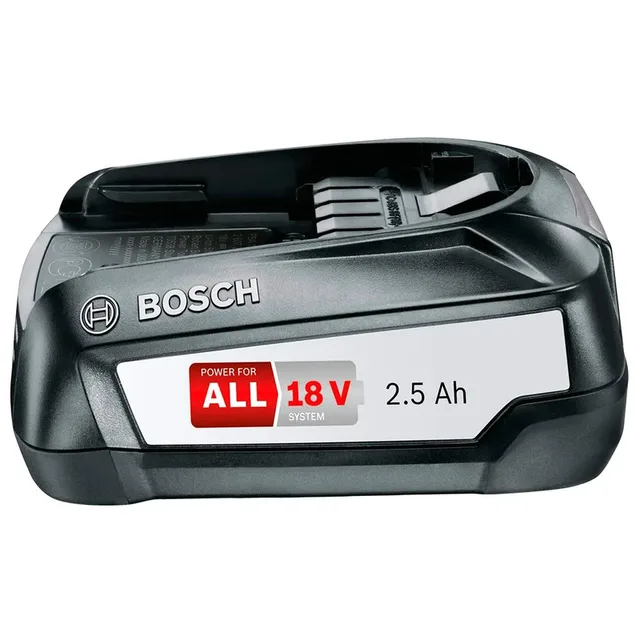
Pba 18v 25ah Smart Series Batterij
From €25.99 · 2 offers
- Bosch Professional
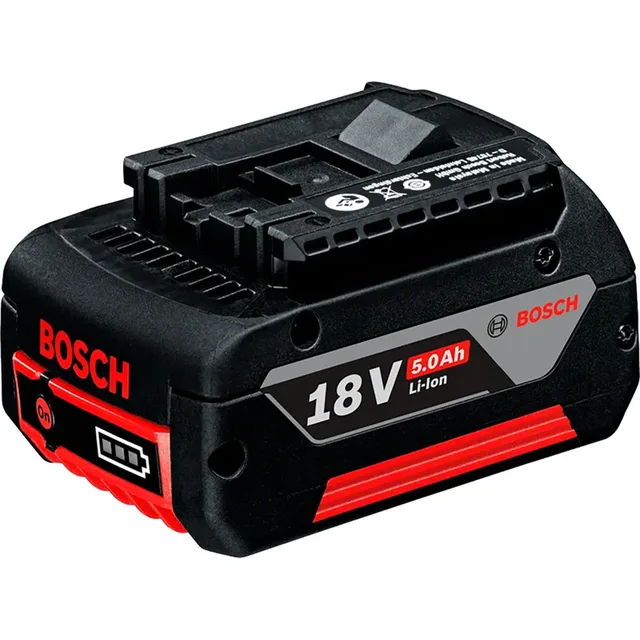
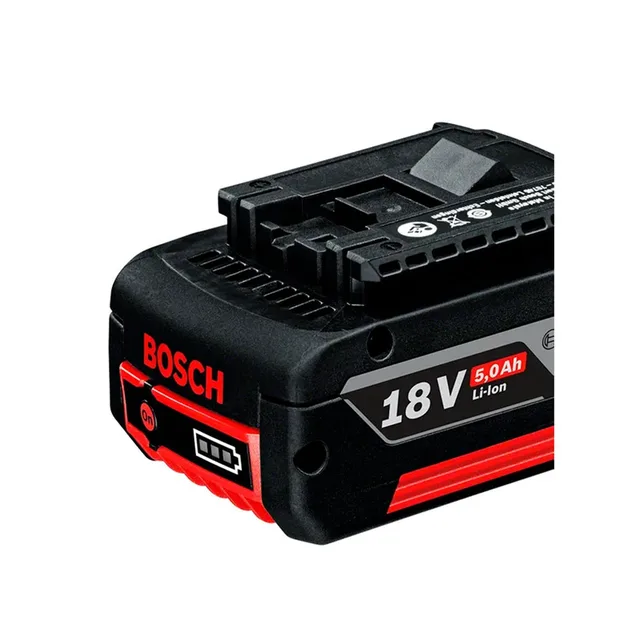
Gba 18v 5.0ah Ladegerät
From €63.10 · 2 offers
- Makita
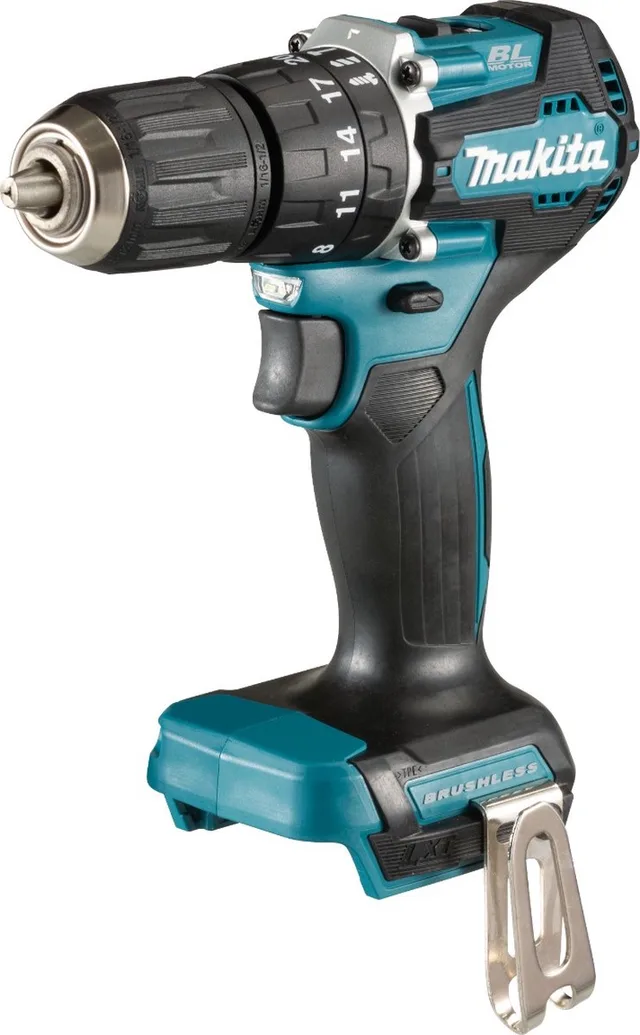
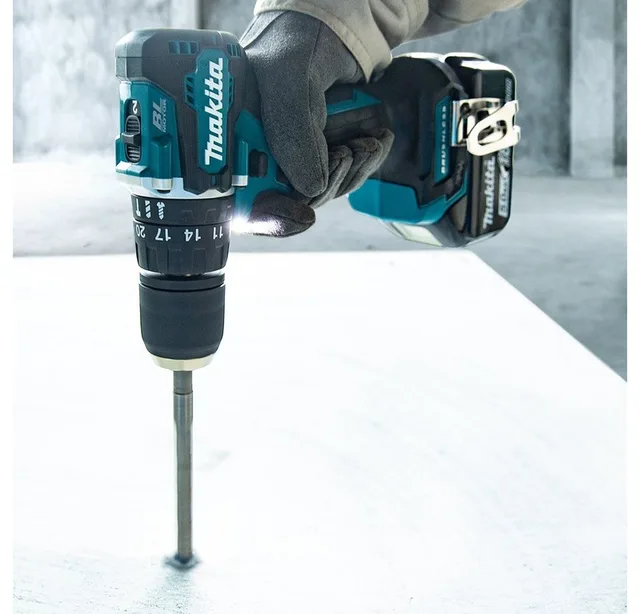
Akku-Schlagbohrschrauber LXT DHP487Z
€116.25 · 1 offer
- Einhell
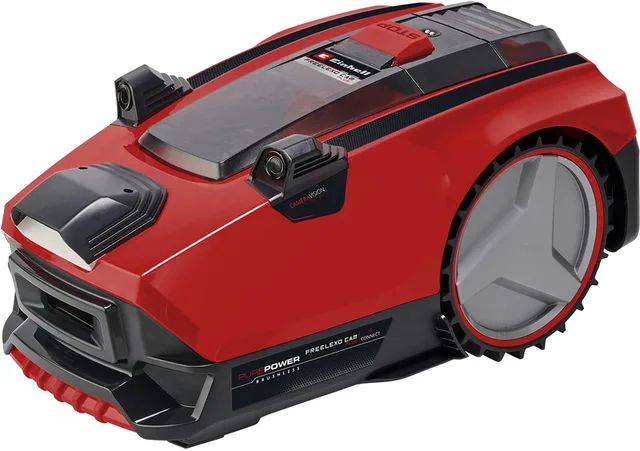
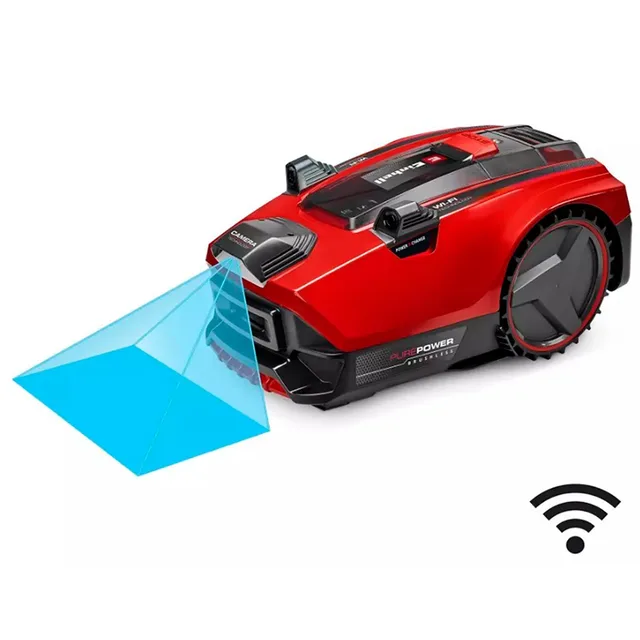
Accu Robotmaaier FREELEXO CAM PLUS 600
Power X-Change · 18 V/Li-ion · Camera in plaats van begrenzingsdraadFrom €490 · 2 offers
More guides
- Combi drill, SDS or rotary hammer: the difference A combi drill and a rotary hammer look alike, but they work in very different ways. Here’s what each type does and which specifications to compare. Read the guide
- Circular saw or plunge saw? Both saws use a round blade and cut straight. The difference is how the blade enters the material and how you guide the saw. Read the guide
- Choosing a saw blade: teeth, bore and shank A saw blade first has to fit your saw. Then you choose by the material you cut and how clean the cut should be. Read the guide