Circular saw or plunge saw?
Both saws use a round blade and cut straight. The difference is how the blade enters the material and how you guide the saw.
The circular saw
On a hand-held circular saw the blade protrudes below the base plate, at the depth you set. A spring-loaded lower guard swings back as you cut into the wood and closes again when you lift the saw.
You start at the edge of the workpiece and push the saw forward. With a parallel guide you cut strips of equal width. That makes it quick for cutting beams, planks and sheet material to size.
The plunge saw
On a plunge saw the blade sits entirely inside the housing. Only when you press the saw down does the blade come out, as far as the depth stop you have set. Let go and the blade springs back.
This means you can start in the middle of a panel: you put the saw down and lower the blade into the material. That is called a plunge cut. Useful for a sink or hob cut-out, for example.
Many plunge saws have a riving knife that retracts and extends with the blade. It keeps the kerf open so the blade is less likely to bind. The specifications tell you whether your saw has one.
The guide rail
A plunge saw usually runs on a guide rail. Anti-slip strips hold the rail in place, and a splinter strip along the edge supports the wood fibres, so the edge on the rail side stays clean. Many plunge saws also have their own splinter guard for the other side.
A 1400 mm rail is a common length. With connectors you join two rails for longer cuts. Rails belong to a brand or system. Some saws fit other brands’ rails, but always check this with the manufacturer.
Blade diameter, cutting depth and bevel
The bigger the blade, the deeper you can cut. Plunge saws with a 160–165 mm blade typically reach about 55–57 mm at 90°. Circular saws with a 190 mm blade typically reach 65–70 mm. The exact figure is in the specifications.
Both types tilt for a bevel cut, usually up to 45° and sometimes a little further. The steeper the bevel, the smaller the cutting depth.
The blade decides the finish: fewer teeth cut faster but rougher, more teeth cut cleaner. Connect the saw to a vacuum. On a plunge saw the blade runs in an enclosed housing with an extraction port, which helps carry dust away.
Which saw suits your job?
Do you do a lot of carpentry, or cut beams, floorboards and rough planks to length? Then a circular saw suits you. It is quick to use and often has a larger blade, so more cutting depth.
Do you work with sheet material, cabinets, kitchen worktops or doors, and want edges that are right first time? Then a plunge saw with a rail is the better fit. You can also start in the middle of a panel.
Do you mostly crosscut short pieces square or at an angle, such as skirting and trim? Then also look at a mitre saw. For curves and rounded shapes, use a jigsaw.
Comparing on ToolRango
The same saw is often sold in several versions: bare tool without battery, as a kit with batteries and charger, with or without rail or case. Each version has its own EAN or order number. ToolRango compares per version, so you see exactly what you get.
Frequently asked questions
Can I use a circular saw on a guide rail?
On some circular saws the base plate fits a rail, or an adapter is available. This varies by model and brand. Check the specifications to see whether the manufacturer lists a rail for that saw.
How deep does a plunge saw cut?
That depends mainly on the blade diameter. With a 160–165 mm blade it is typically about 55–57 mm at 90°, and less for a bevel cut. Some manufacturers state the depth both with and without the rail.
Which saw blade do I need for sheet material?
For a clean edge in sheet material, choose a blade with more teeth. Fewer teeth cut faster but rougher, which suits construction timber. Match the blade diameter and bore size your saw specifies.
Keep browsing
ToolRango does not test tools. This guide sets out what manufacturers and standards say. Always follow the manual of your own tool.
Products from this guide
Popular products with a current price at the shops. Compare the prices on the product page.
- Bosch
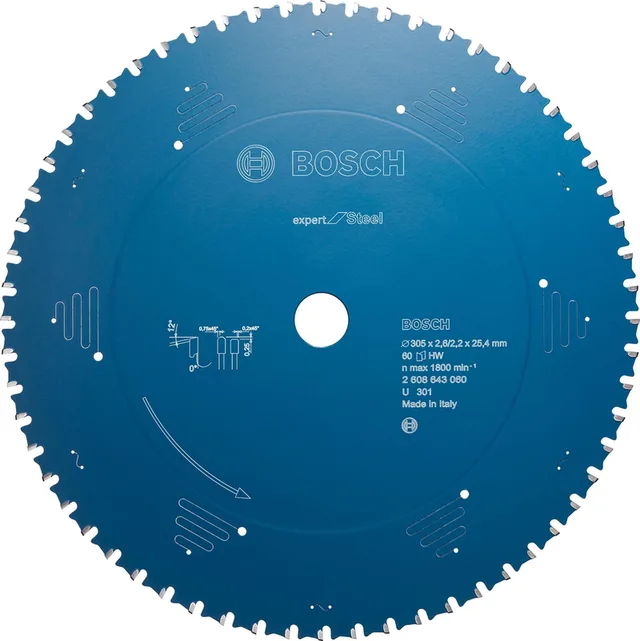
Circular saw blade Expert for Steel 305 x 25,4 x 2,2 mm
60From €72.90 · 2 offers
- Bosch Professional
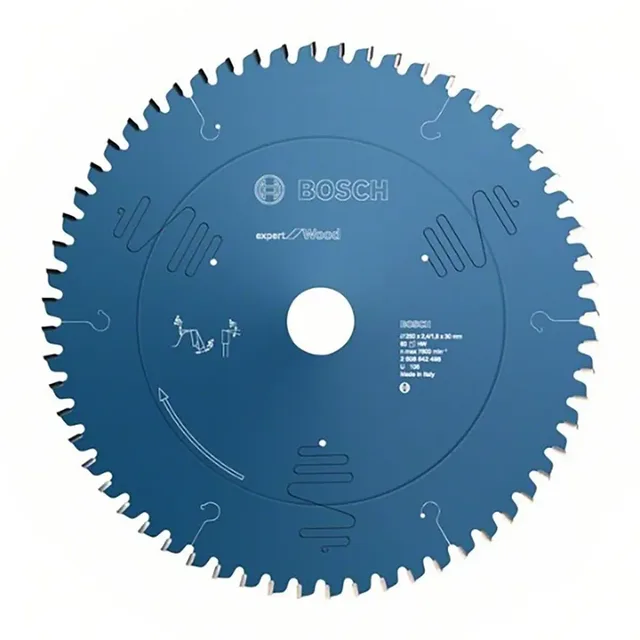
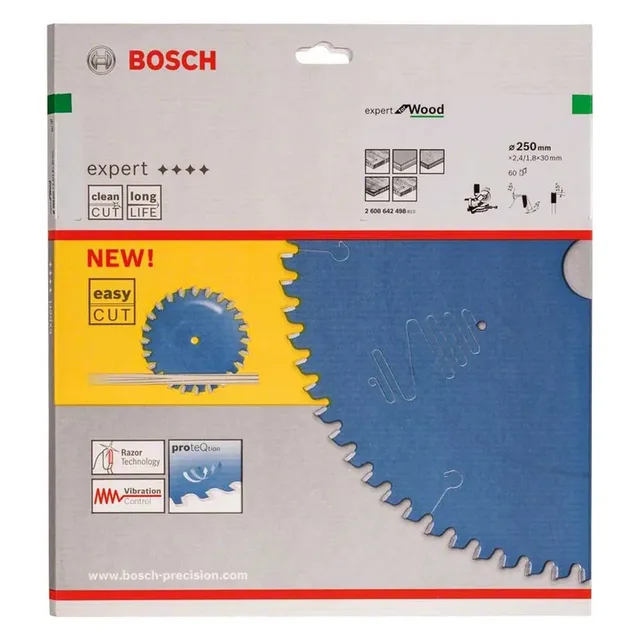
Ex Wo B 250x30-60 Cirkelzaagblad Voor Hout
From €50.08 · 2 offers
- Makita
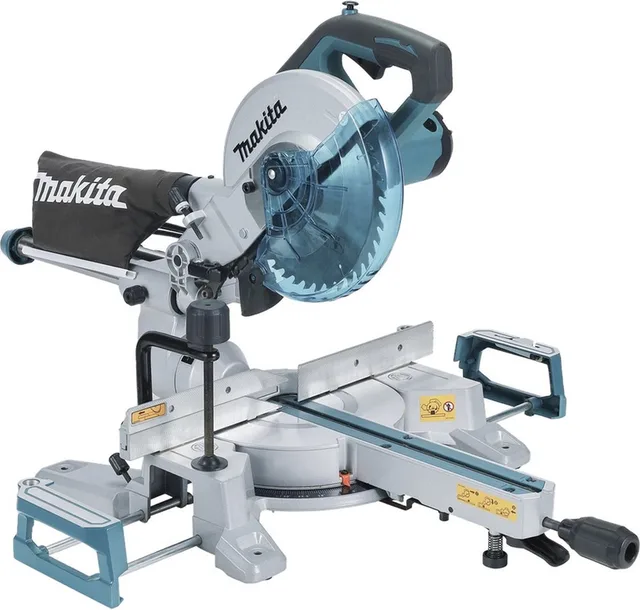
LS0816F Radiaal afkortzaag 216mm 1200W
From €250.20 · 2 offers
- Makita
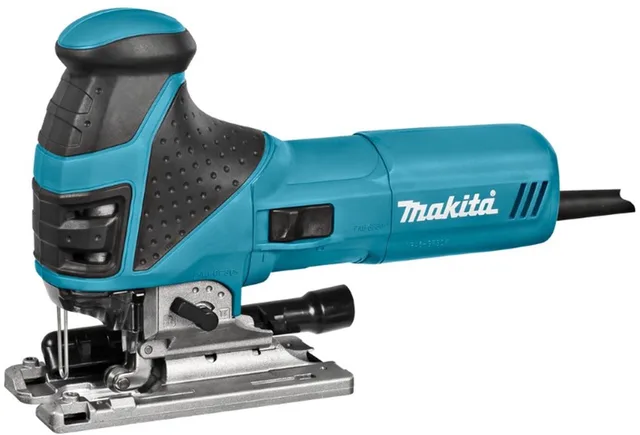
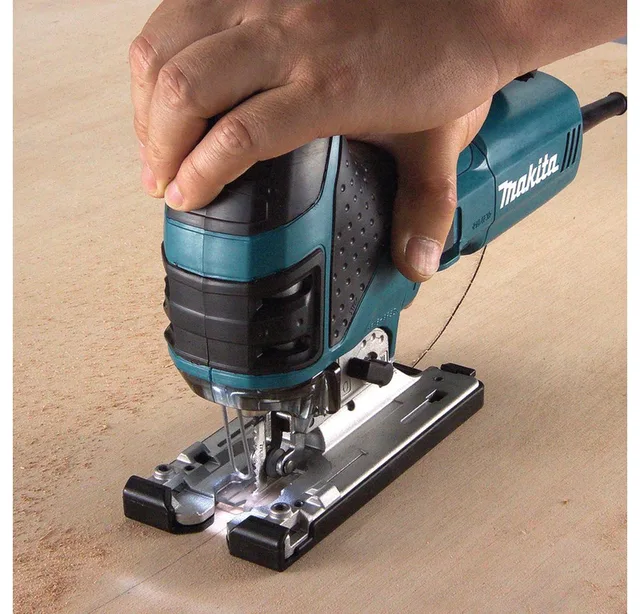
Decoupeerzaag 4351FCTJ
Incl. koffer · Bedraad · Incl. 1 Anti-splinterplaatFrom €170.35 · 2 offers
- DEWALT
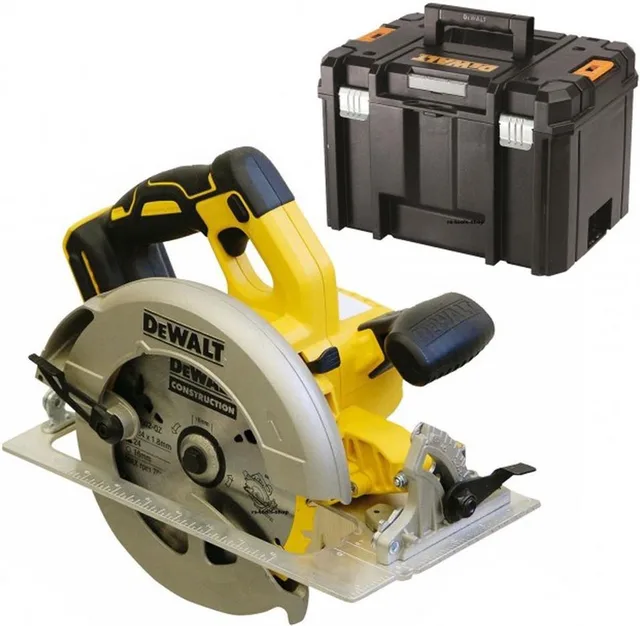
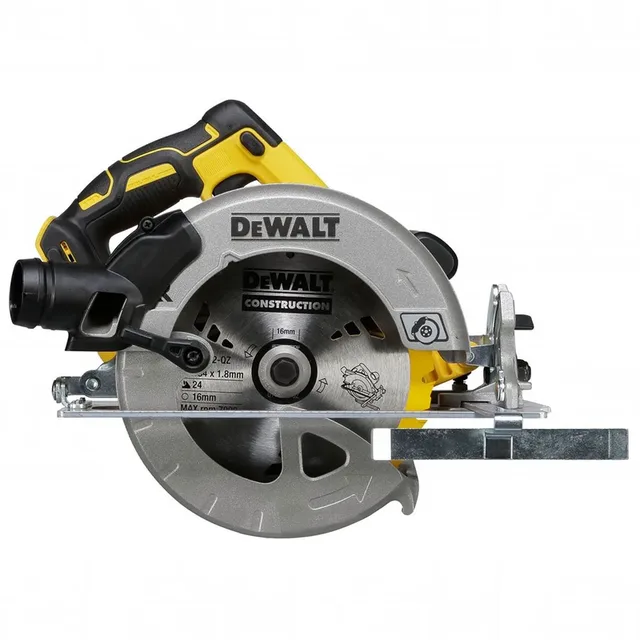
DCS570NT 18V Li-Ion accu Cirkelzaag body in TSTAK
From €215 · 2 offers
- Bosch

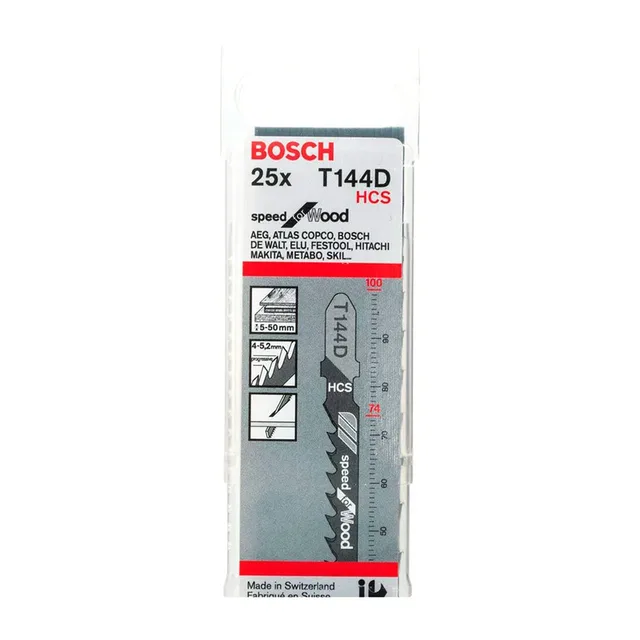
Decoupeerzaagblad T 144 D Speed
for WoodFrom €26.48 · 2 offers
- Makita
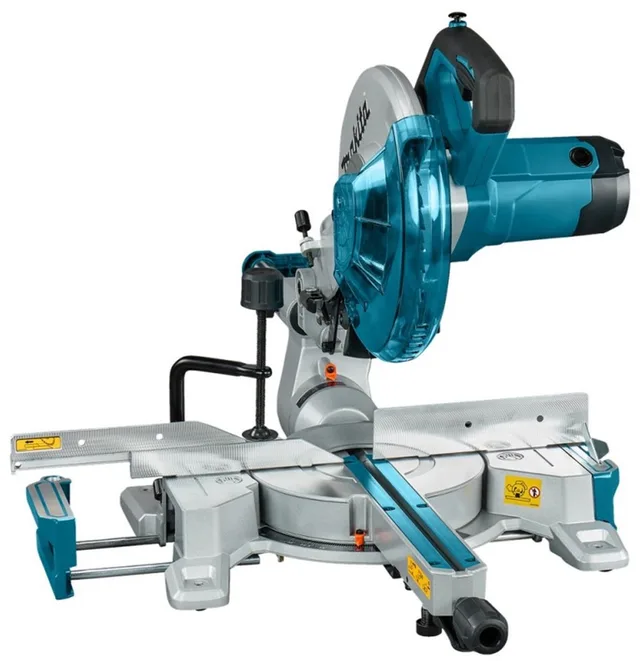
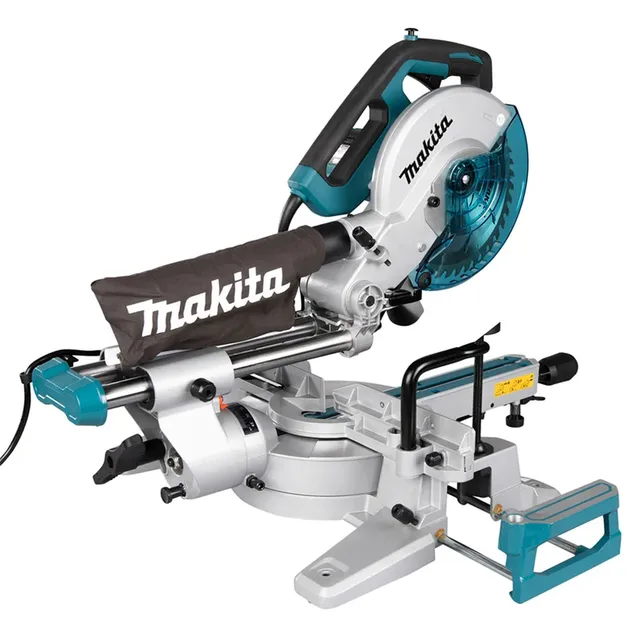
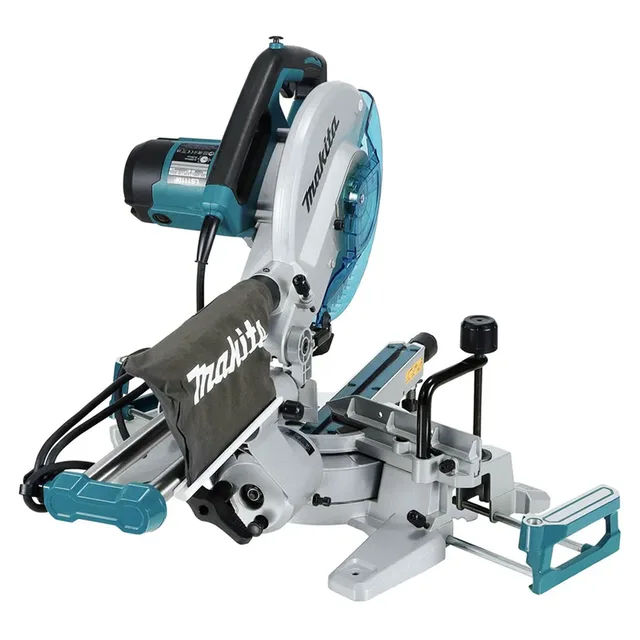
LS1110F Radiaal afkortzaag 260mm 1450W
From €322 · 2 offers
- Makita
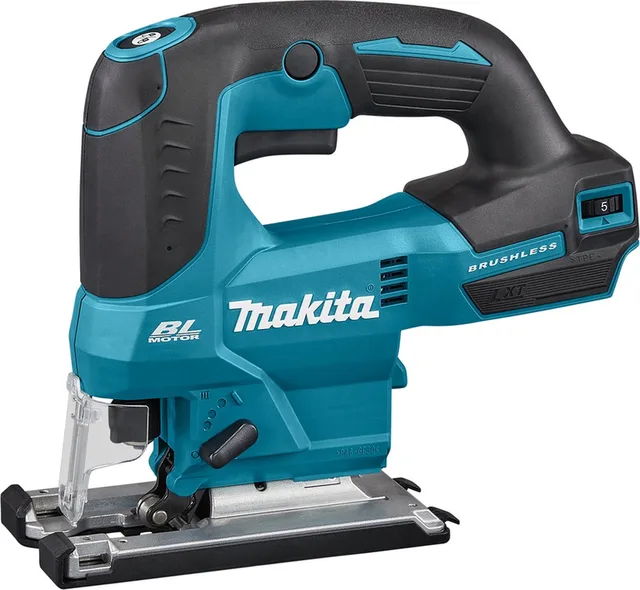
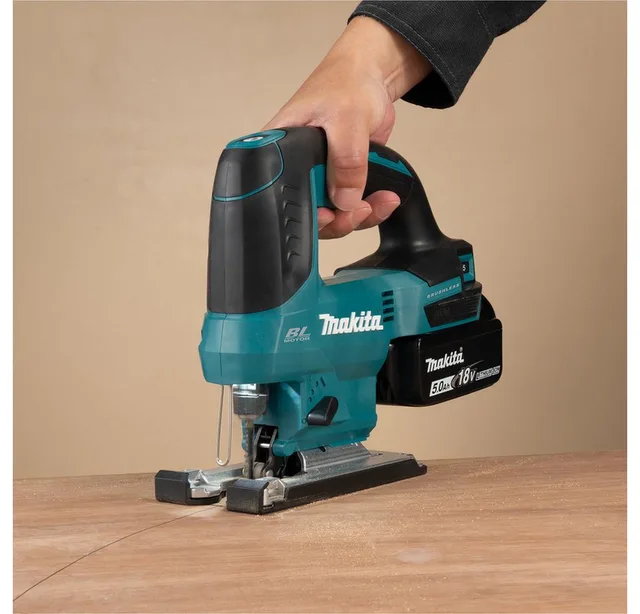
DJV184Z Accu Decoupeerzaag D-greep 18V Basic Body
From €167.15 · 2 offers

More guides
- Which battery platform should you choose? With a battery platform you buy batteries once and use them across many tools of the same brand. Here’s how to choose the platform that fits your work. Read the guide
- Combi drill, SDS or rotary hammer: the difference A combi drill and a rotary hammer look alike, but they work in very different ways. Here’s what each type does and which specifications to compare. Read the guide
- Choosing a saw blade: teeth, bore and shank A saw blade first has to fit your saw. Then you choose by the material you cut and how clean the cut should be. Read the guide