Combi drill, SDS, SDS-plus or rotary hammer: the difference
A combi drill and a rotary hammer look alike, but they work in very different ways. Here’s what each type does and which specifications to compare.
Popular picks from this guide

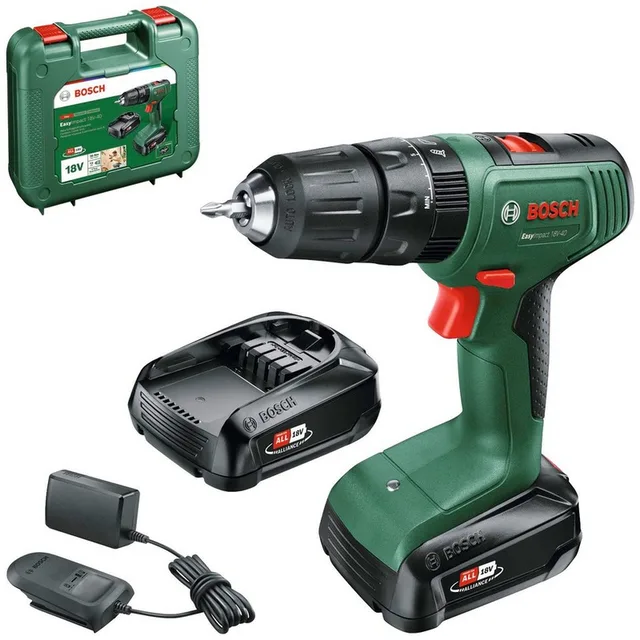
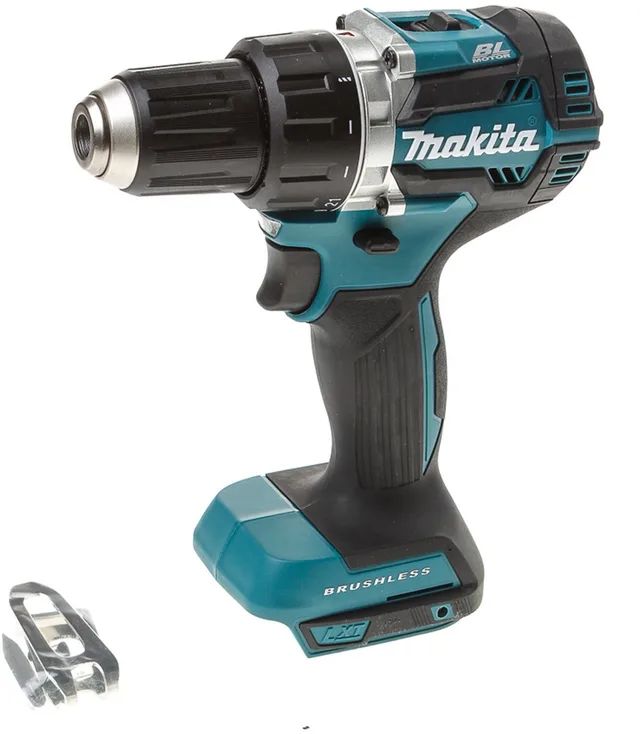
Popular products at today's lowest price. Compare every shop on the product page.
Drill-driver and combi drill
A drill-driver drills into wood and metal and drives screws. A clutch with adjustable settings disengages the drive once the set torque is reached. That way you don’t sink a screw too deep or strip its head.
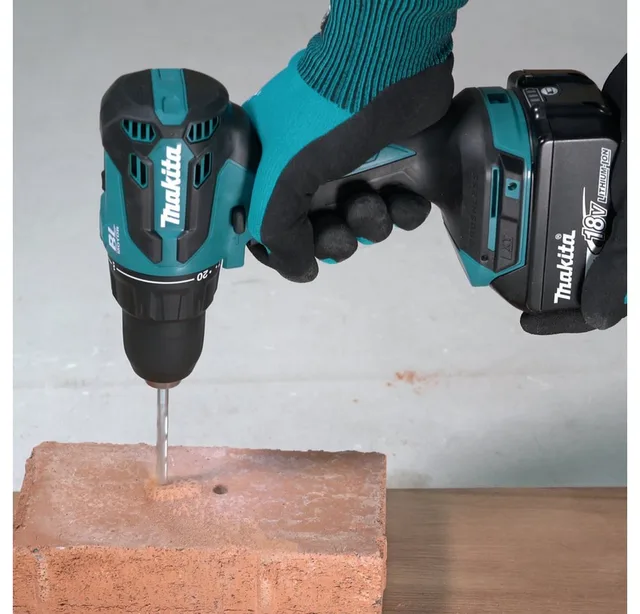
A combi drill adds a hammer setting. Two ridged discs ride over each other and push the chuck back and forth over a tiny distance, very quickly. The result is a high number of blows per minute, but little force in each blow.
Most of the hammering force comes from how hard you push. For a few wall-plug holes in brick or sand-lime brick, that’s enough. In concrete it’s slow, tiring and hard on the bit.
The rotary hammer
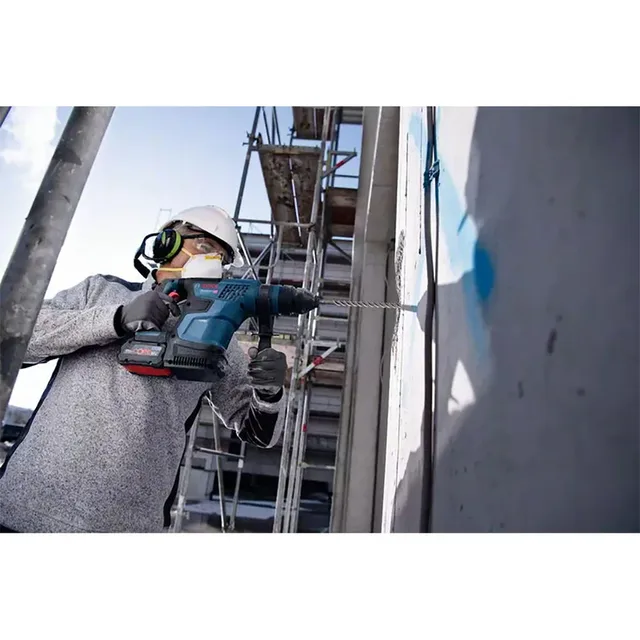
A rotary hammer has an electro-pneumatic hammer mechanism. A piston compresses a cushion of air, which drives a striker against the back of the bit. Each blow carries far more energy than in a combi drill, and you barely need to push.
Manufacturers state this impact energy in joules (J). The bit sits in an SDS chuck: it clicks in and can slide freely along its length. SDS-plus has a 10 mm shank and is used on light and medium rotary hammers. SDS-max has an 18 mm shank and is for heavy rotary hammers.
Many rotary hammers also have a hammer-only setting, without rotation. That lets you chisel, for example to remove tiles or cut a channel. Check the specifications to see whether a model has this setting.
SDS, SDS-plus, SDS-max: the difference
SDS is a bit-holding system for rotary hammers: the bit is pushed in and clicks into place without tightening a chuck. The name goes back to Bosch, where it originally stood for ‘Steck-Dreh-Sitz’ (German for plug, twist, seat). The older SDS was replaced by SDS-plus, which is now the common system.
SDS-plus has a 10 mm shank and is used on light and medium rotary hammers, SDS-max has an 18 mm shank and is used on heavy rotary hammers. The systems are not interchangeable: an SDS-plus bit does not fit an SDS-max chuck and the other way round. So check your machine’s chuck before you buy bits.
Impact driver and impact wrench
An impact driver delivers short blows in the direction of rotation, not forwards. That lets it drive long, thick screws with little reaction force on your wrist. The bit holder is a 1/4-inch hex socket. It isn’t made for drilling into concrete.
An impact wrench works on the same principle but has a square drive for sockets. It is meant for nuts and bolts, such as wheel nuts and anchor bolts.
Which specifications to compare
On a drill-driver, the maximum torque in newton metres (Nm) tells you how much turning force there is. No-load speed shows how fast the chuck turns; there are often two gears. On a combi drill you’ll also find the number of blows per minute.
On a rotary hammer, impact energy in joules is the key figure. Manufacturers measure it by the EPTA procedure, a shared industry method. Also look at the weight including battery, especially if you often drill overhead.
Which bits you need
For wood you use wood bits with a centre point, for metal HSS bits. Masonry bits have a carbide tip and fit the ordinary chuck of a combi drill.
A rotary hammer with an SDS chuck takes SDS bits with grooves in the shank. SDS-plus bits don’t fit an SDS-max chuck, and vice versa. To drill wood or metal with a rotary hammer, you need an interchangeable chuck or an adapter.
Comparing on ToolRango
Many tools come as a bare tool without battery and charger, and as a kit with batteries, charger or case. Each version has its own EAN or order number. ToolRango compares per version, so you can see exactly which one you’re looking at.
Frequently asked questions
Can you drill into concrete with a combi drill?
For a single small hole it usually works, but it’s slow and takes a lot of effort. A combi drill hammers mechanically, with little energy per blow. For regular work in concrete, a rotary hammer with SDS-plus is the tool designed for it.
What is the difference between SDS-plus and SDS-max?
Both are bit systems for rotary hammers: the bit clicks in and can move along its length. SDS-plus has a 10 mm shank and is used on light and medium rotary hammers; SDS-max has an 18 mm shank and is used on heavy rotary hammers.
What is the difference between an impact driver and a combi drill?
A combi drill hammers forwards to drill into masonry. An impact driver strikes in the direction of rotation to drive screws and has a 1/4-inch hex bit holder. It isn’t meant for drilling into concrete.
What is the difference between SDS and SDS-plus?
The older SDS was replaced by SDS-plus; SDS-plus, with a 10 mm shank, is now the common system for light and medium rotary hammers. When shops talk about ‘SDS bits’ they therefore usually mean SDS-plus; SDS-max (18 mm) is a separate system for heavy machines and does not fit.
What does SDS mean on drill bits?
SDS is a system where the bit is pushed into the rotary hammer and clicks into place. At Bosch the abbreviation originally stood for ‘Steck-Dreh-Sitz’. You recognise SDS bits by the grooves in the shank.
Keep browsing
ToolRango does not test tools. This guide sets out what manufacturers and standards say. Always follow the manual of your own tool.
Products from this guide
Popular products with a current price at the shops. Compare the prices on the product page.
- Bosch Professional

Betonboren CYL-5 8X50X100
8 mmFrom €5.49 · at 2 shops
Lowest in 50 days
- Bosch Professional
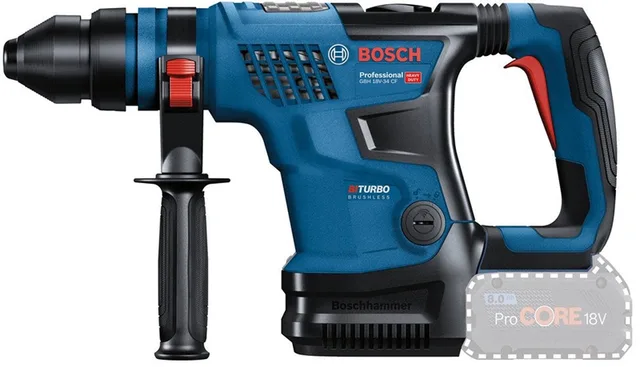
Gbh 18v-34 Cf Cordless Hammer Drill Blue
18 VFrom €410 · at 3 shops
- Makita
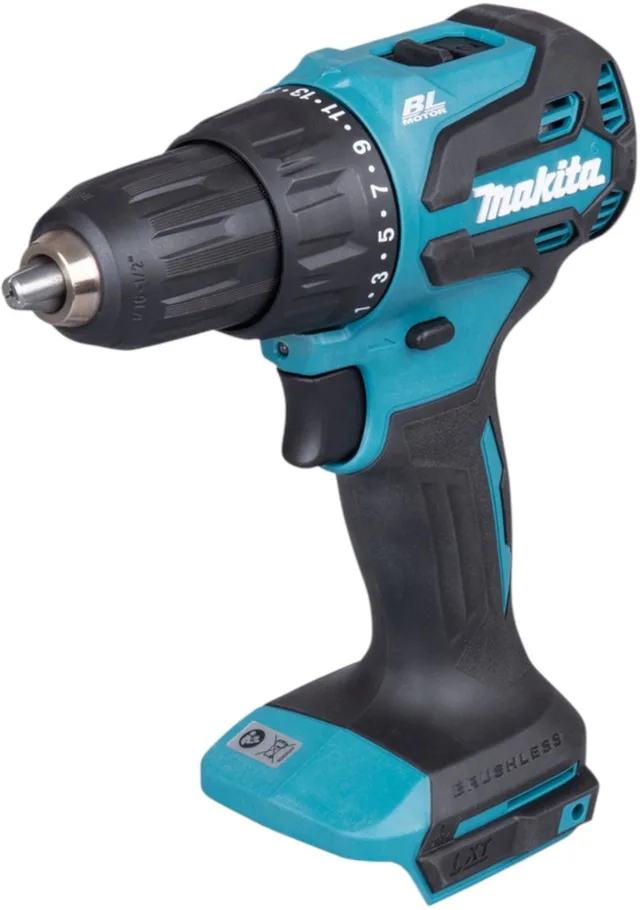
DHP490Z Cordless hammer drill driver 18V Basic Body
18 V65 NmFrom €85 · at 6 shops
Lowest in 54 days
- Makita
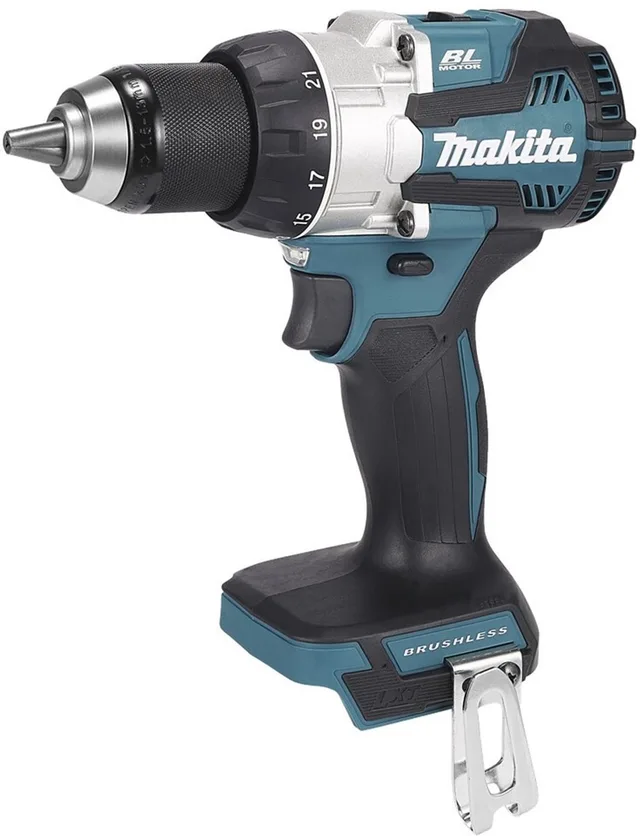
DDF489Z Cordless drill driver 18V Basic Body
18 V73 NmFrom €145.20 · at 6 shops
- Wolfcraft
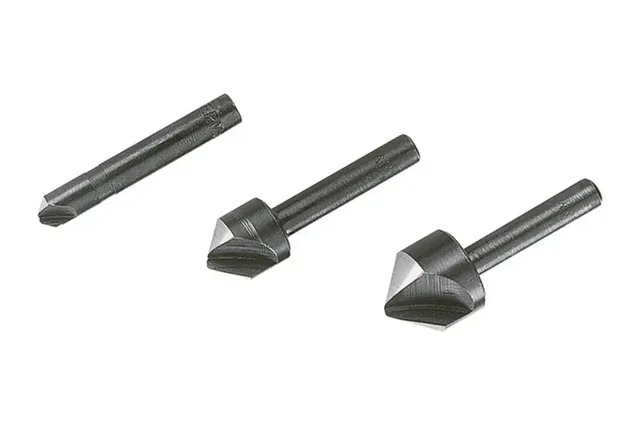
2504000 Conical Countersink 6-12-16 Mm 3 Units Silver
6 mm3 piecesFrom €9.98 · at 4 shops
Lowest in 44 days
More guides
- Which battery platform should you choose? With a battery platform you buy batteries once and use them across many tools of the same brand. Here’s how to choose the platform that fits your work. Read the guide
- Circular saw or plunge saw? Both saws use a round blade and cut straight. The difference is how the blade enters the material and how you guide the saw. Read the guide
- Choosing a saw blade: teeth, bore and shank A saw blade first has to fit your saw. Then you choose by the material you cut and how clean the cut should be. Read the guide

- Guide Batteries and Ah explained
- Guide Brushless motors: what do they get you?
- Guide Choosing a cordless lawn mower
- Guide Choosing a robot mower: with or without a wire?
- Guide Choosing a hedge trimmer: blade length, tooth spacing and reach
- Guide Choosing an angle grinder: size, battery and the right disc
- Guide Choosing an air compressor: air delivery, pressure and tank size
- Guide Bosch green or blue: what is the difference?
- Guide Choosing a chainsaw: cordless, corded or petrol
- Guide Choosing a pressure washer: bar, litres per hour and accessories