Choosing a saw blade: teeth, bore and shank
A saw blade first has to fit your saw. Then you choose by the material you cut and how clean the cut should be.

Popular picks from this guide
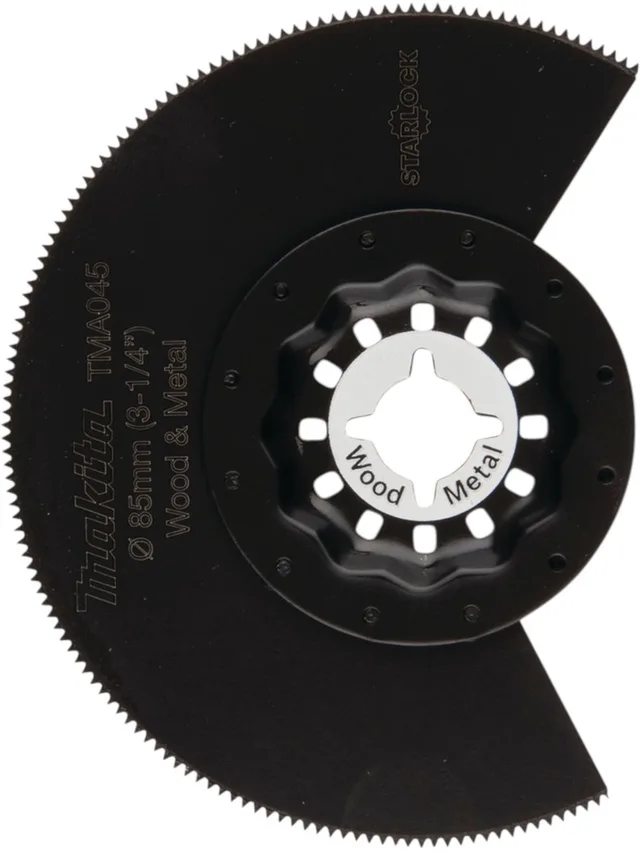
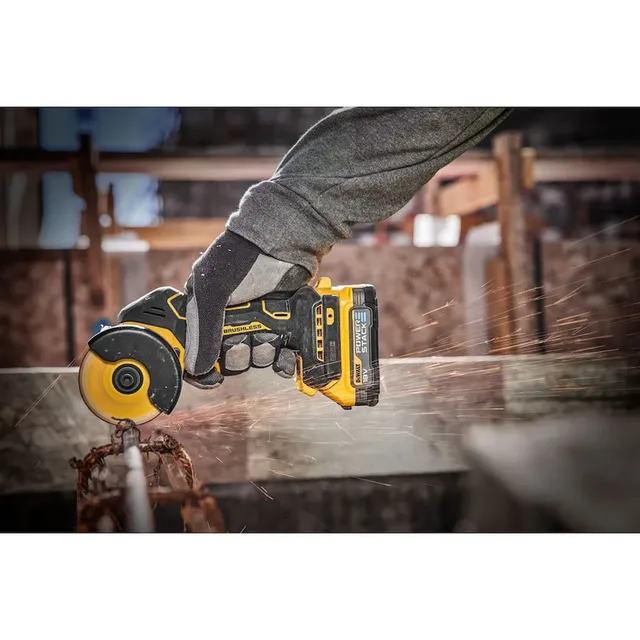
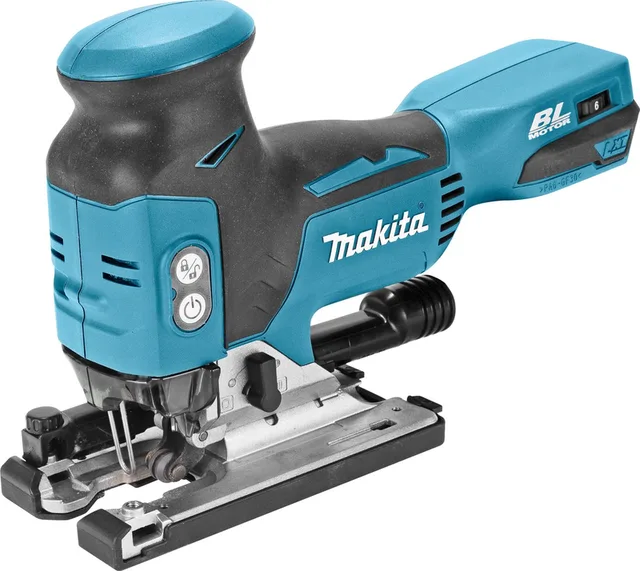
Popular products at today's lowest price. Compare every shop on the product page.
Does the blade fit your saw?
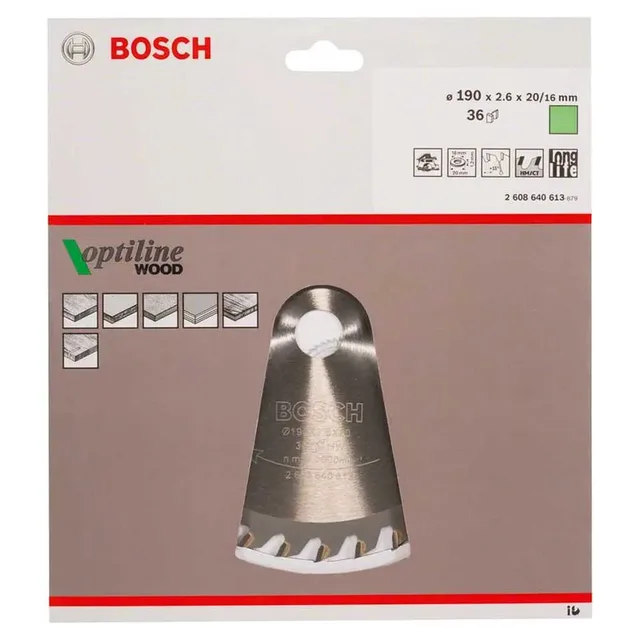
A circular saw blade's name carries three sizes: diameter, bore and kerf. The Bosch Optiline Wood blade 190 × 30 × 2.6 mm is 190 mm across, has a 30 mm bore and cuts a 2.6 mm wide kerf. The Makita blade 165 × 20 mm is for saws with a smaller blade and a 20 mm bore.
The right diameter and bore are in your saw's manual. Manufacturers state that you only use blades with the sizes given for the saw. When the name has two bore sizes, such as 20/16, a reducing ring for the smaller arbor is included.
Number of teeth
The fewer the teeth, the faster the blade goes through wood and the rougher the cut. More teeth cut slower but cleaner, which is better for sheet material, laminate and visible edges. On a 190 mm blade, a 24-tooth blade is meant for fast work in construction timber, and a blade with 36 teeth or more for a neater cut.
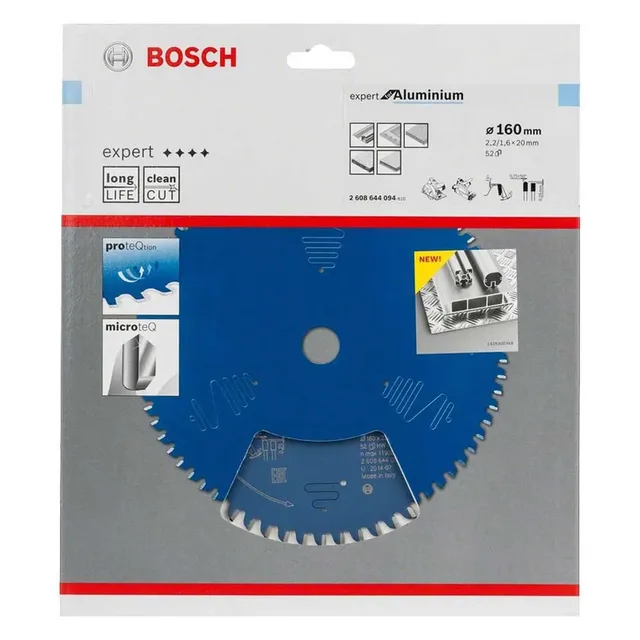
For aluminium and plastics there are separate blades with many teeth, such as the Bosch Expert for Aluminium 160 × 20 mm with 52 teeth. A wood blade is not made for that. The packaging says which materials a blade is for.
Circular saw blades from this guide
- Bosch Professional
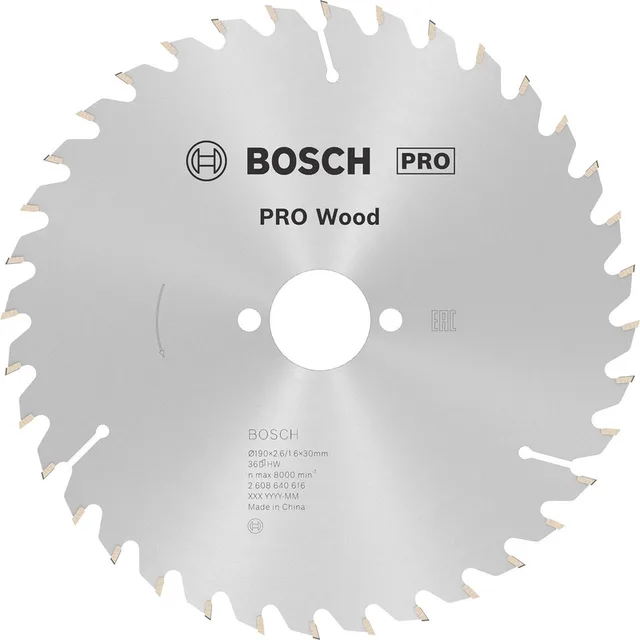
Cirkelzaagblad Optiline Wood
190x30x2,6 · 36 tanden190 mm36 teeth1 piecesFrom €26 · at 5 shops
Lowest in 52 days
- Bosch Professional
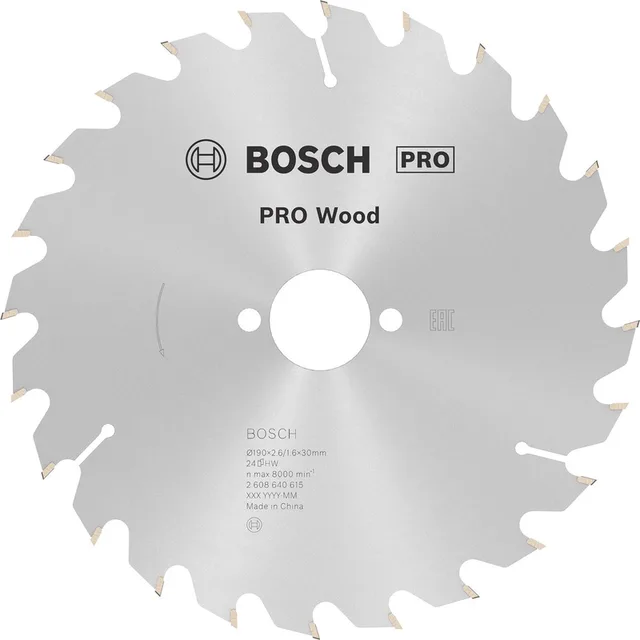
Cirkelzaagblad 190X30X2,6
24 tanden190 mm24 teethFrom €22.98 · at 5 shops
- Bosch Professional
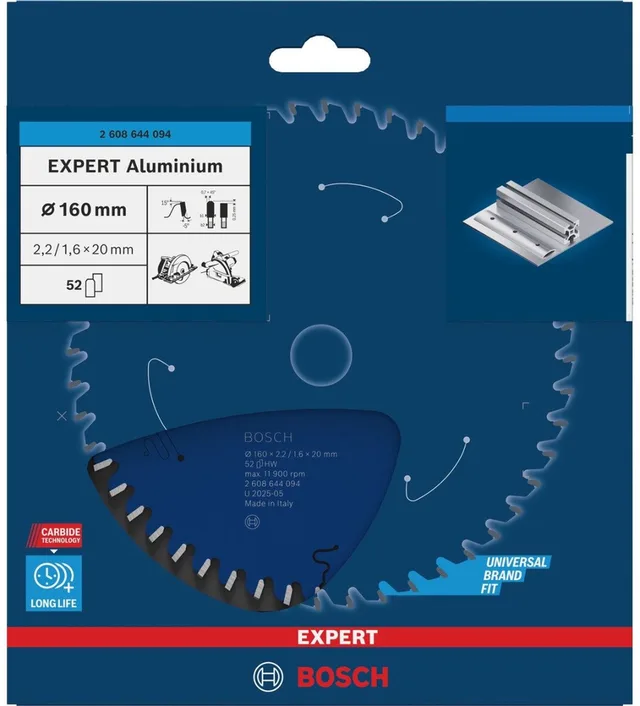
Cirkelzaagblad Expert Aluminium 160x20
2608644094 · 52 tanden160 mm52 teethFrom €55.73 · at 2 shops
Lowest in 49 days
Jigsaw blades
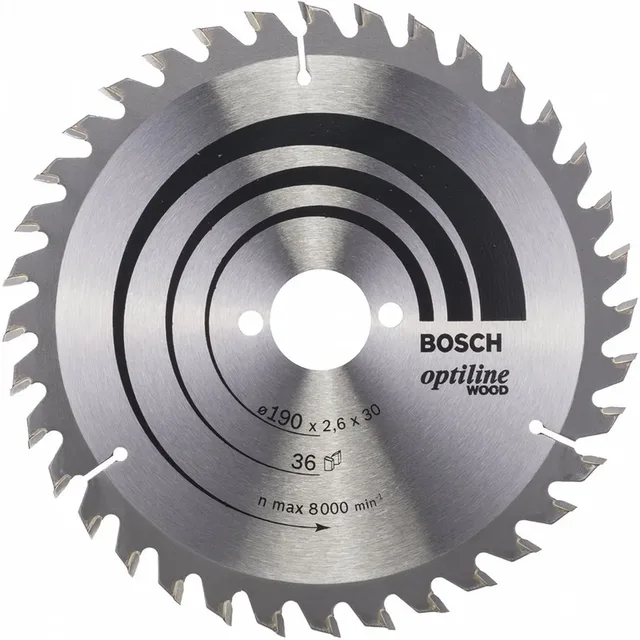
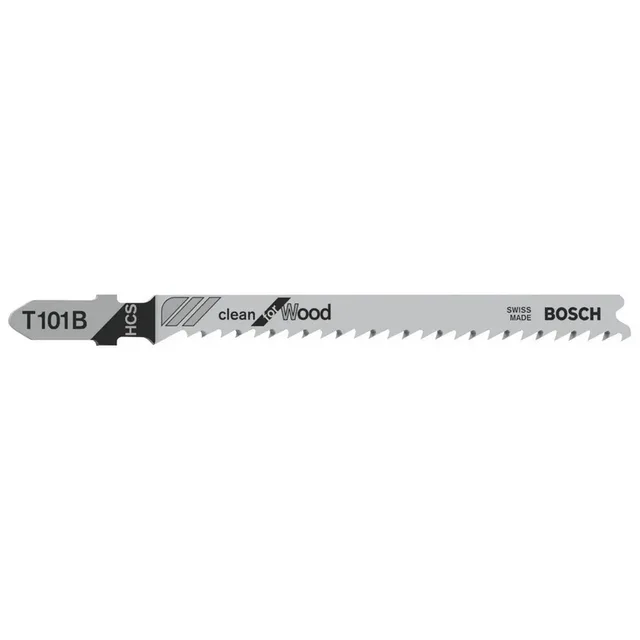
Most jigsaws take blades with a T-shank. Bosch puts the T at the start of the code, as in the T 101 B. Some saws use a U-shank. The manual says which shank your saw takes.
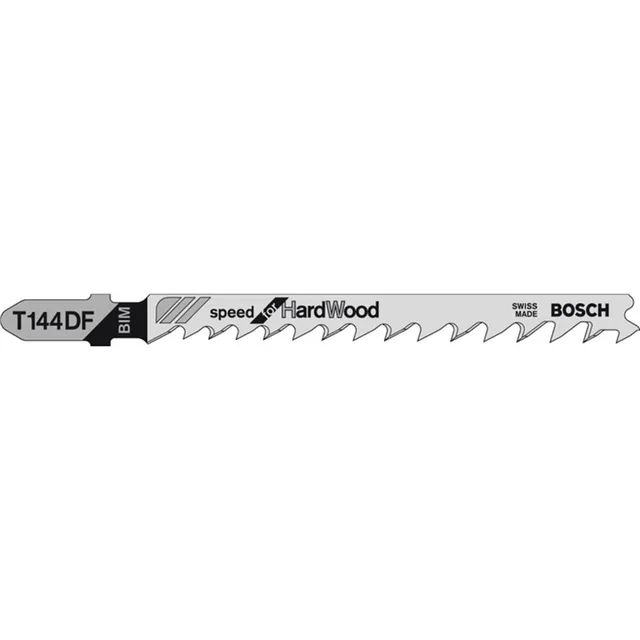
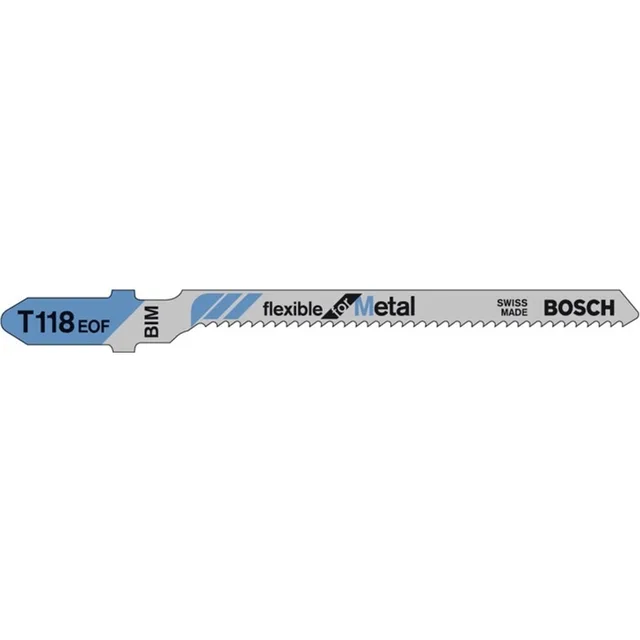
Then you choose by tooth spacing and material. Bosch gives the T 101 B a tooth spacing of 2.7 mm and lists it for softwood and boards 3 to 30 mm thick, with a clean cut. Coarser teeth cut faster, such as the T 144 DF for hardwood. For metal there are blades with fine teeth, such as the T 118 EOF.
Jigsaw blades
- Bosch Home & Garden
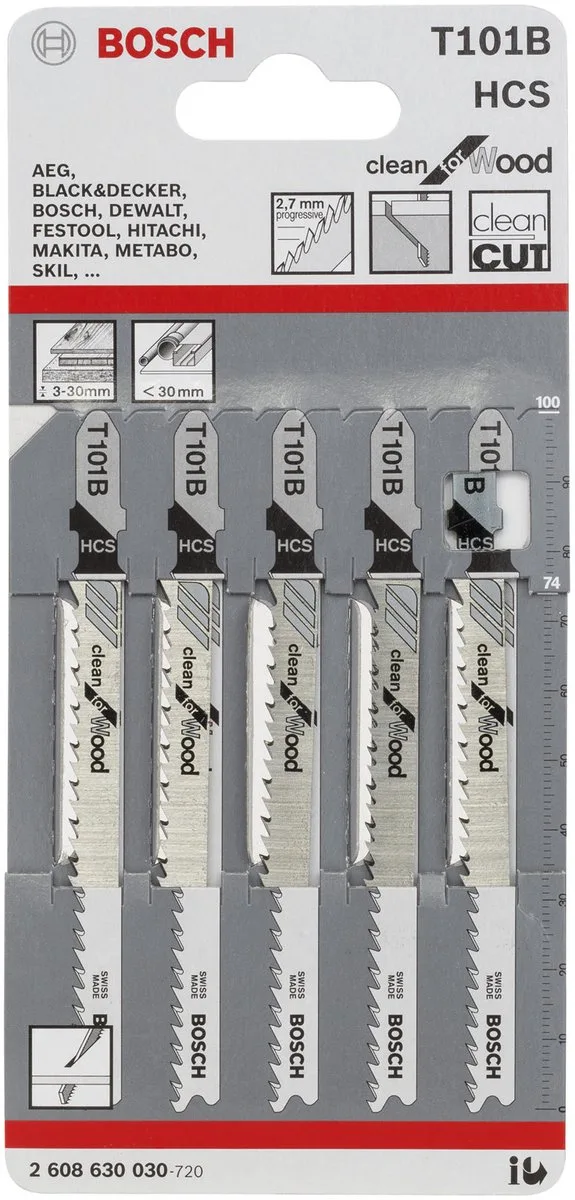
Decoupeerzaagblad T 101 B hout 5 delig
100 mm5 piecesFrom €10.48 · at 7 shops
Lowest in 54 days
- Bosch Professional

Decoupeerzaagblad T 144 DF Speed for Hard Wood
100 mm5 piecesFrom €14.23 · at 6 shops
Lowest in 54 days
- Bosch Professional

Decoupeerzaagblad T 118 EOF Flexible for Metal
5 stuks5 piecesFrom €14.98 · at 6 shops
Reciprocating saw blades
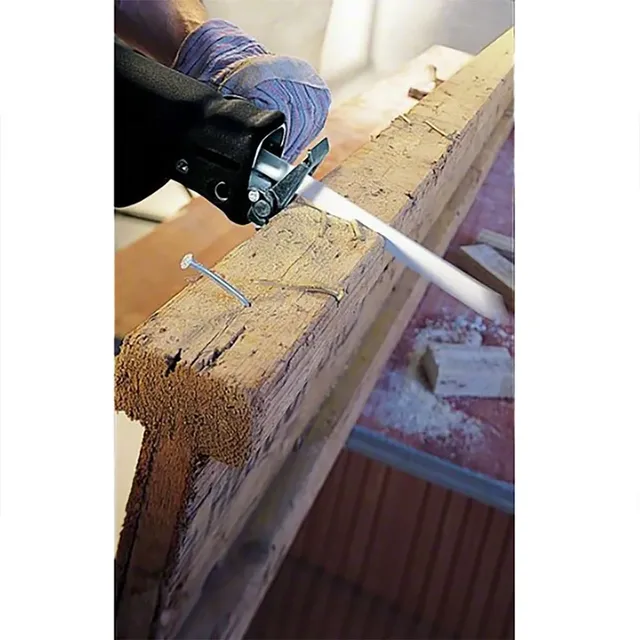
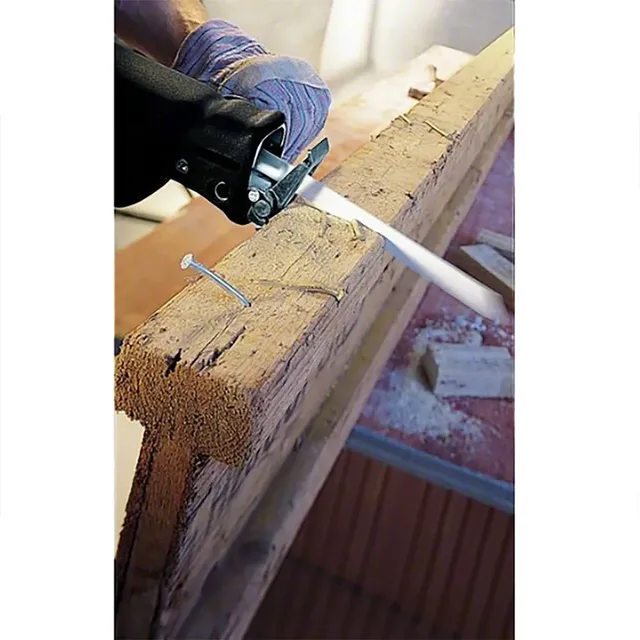
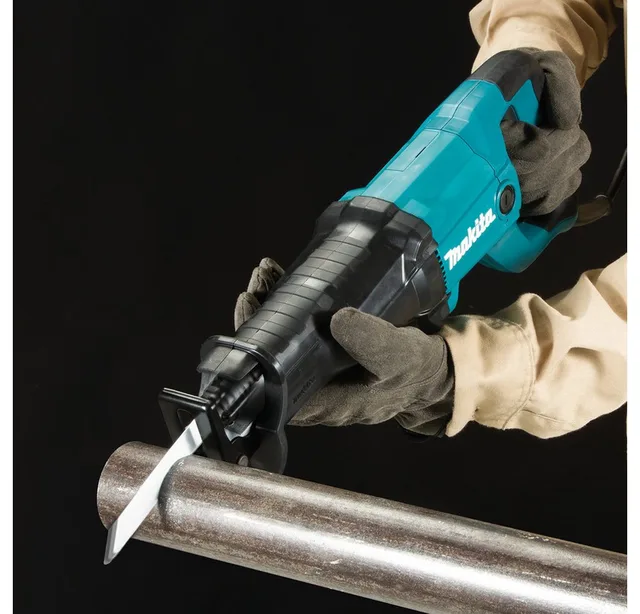
Reciprocating saws take blades with a 1/2 inch universal shank. The blade length decides how thick the material may be: the Bosch S 922 HF is 150 mm long and, according to Bosch, cuts up to 100 mm.
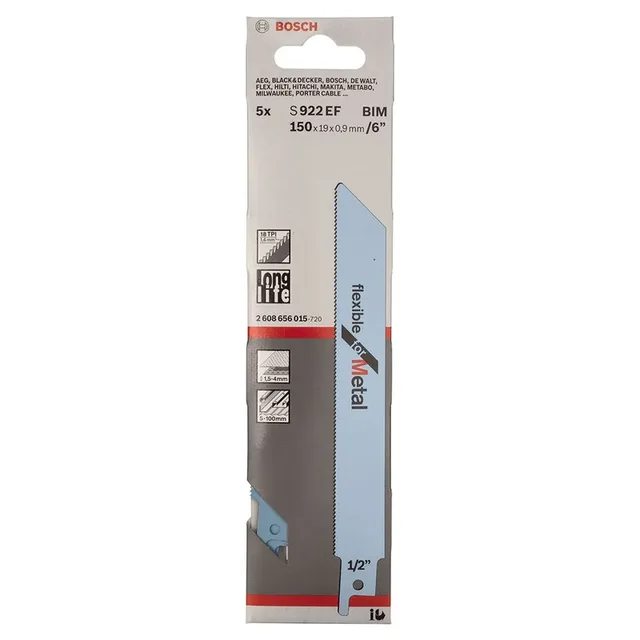
The S 922 HF is a bi-metal blade with 2.5 mm tooth spacing for wood with nails, sheet metal and pipes. For thicker material there is the longer S 1122 VF for wood and metal, and for metal the S 922 EF. A set of five blades from Makita is handy if you do not yet know what you will cut most.
Reciprocating saw blades
- Bosch Professional

Reciprozaagblad S922HF 5
150 mm5 piecesFrom €17.98 · at 6 shops
- Bosch Professional

Reciprozaagblad S 1122 VF Flexible for Wood and Metal
225 mm5 piecesFrom €13.49 · at 6 shops
Lowest in 54 days
- Bosch Professional

Reciprozaagblad S 922 EF Flexible for Metal
150 mm5 piecesFrom €19.48 · at 6 shops
What the blade is made of
Jigsaw and reciprocating saw blades often carry a material code. Bosch uses HCS (carbon steel) for blades for soft materials such as wood and plastics, HSS (high-speed steel) for metal, and BIM (bi-metal) for blades with hardened HSS teeth on a flexible HCS body. Circular saw blades for wood usually have carbide teeth (TCT).
Speed rating and changing blades safely
A circular saw blade is marked with a maximum speed. Manufacturers state that it must be at least as high as the speed of your saw. Remove the battery or unplug the saw before changing a blade, and check the direction of rotation: the arrow on the blade points the same way as the arrow on the saw.
Comparing on ToolRango
Under saw blades you compare single blades and sets with prices from several shops. Blades are sold singly and in packs of two, five or more. Each pack has its own EAN or part number, so check how many blades you get.
Frequently asked questions
How many teeth should a circular saw blade have?
That depends on the diameter and the job. Fewer teeth cut fast and rough, more teeth slower and cleaner. For construction timber choose a blade with few teeth, for sheet material and visible edges one with more.
Does every jigsaw blade fit my saw?
Most jigsaws take blades with a T-shank, some a U-shank. Your saw's manual says which shank fits.
What does 190 × 30 × 2.6 on a saw blade mean?
It is the blade diameter (190 mm), the bore (30 mm) and the width of the cut, the kerf (2.6 mm). Diameter and bore must match what your saw specifies.
Keep browsing
ToolRango does not test tools. This guide sets out what manufacturers and standards say. Always follow the manual of your own tool.
Products from this guide
Popular products with a current price at the shops. Compare the prices on the product page.
- Bosch Home & Garden
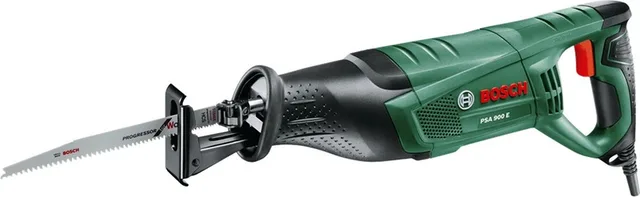
PSA 900 E Reciprozaag
op snoer · 2 zaagbladen900 WFrom €165.25 · at 4 shops
- Bahco
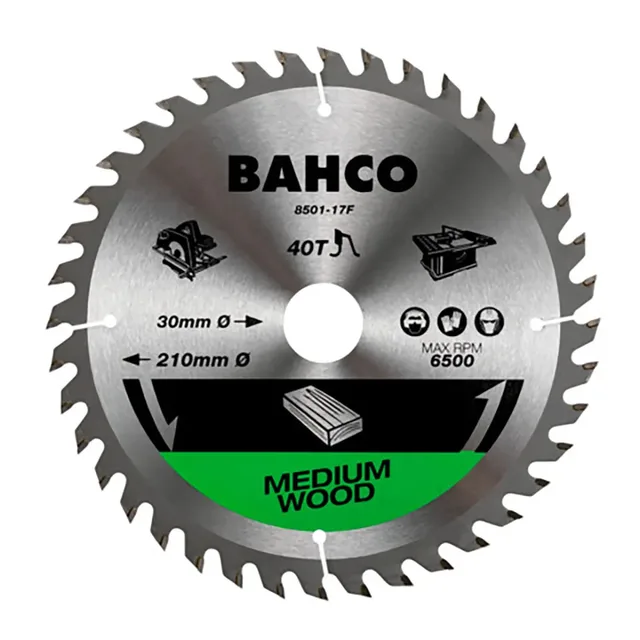
Carbide tipped circular saw blade with 18 teeth and medium serration for wood materials 170 Mm
170 mm18 teeth€29.98 · at 1 shop
Lowest in 52 days
- Metabo
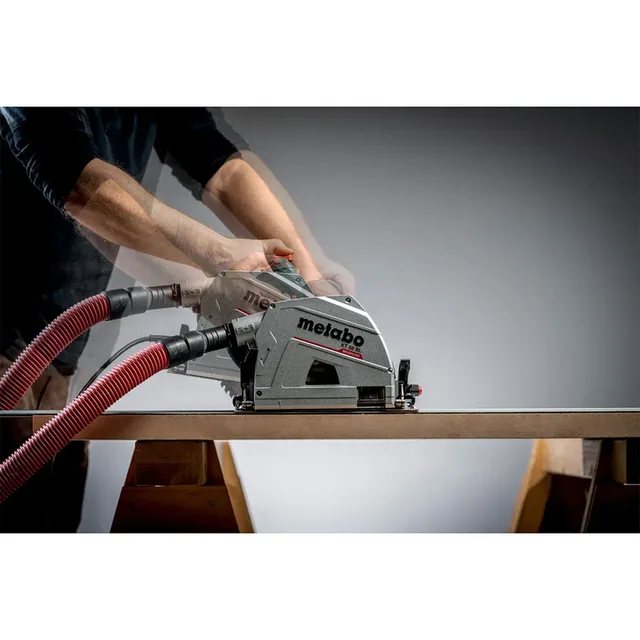
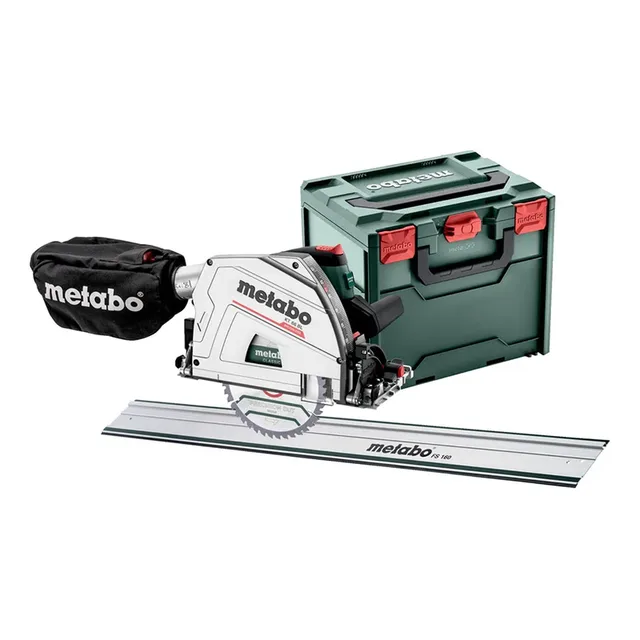
Kt 66 Bl
Fs 160 Cirkelzaag165 mm1,200 WFrom €655 · at 2 shops
- Makita
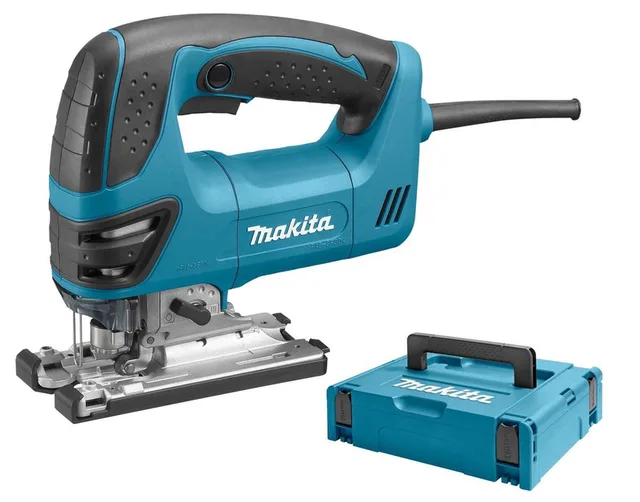
Decoupeerzaag
D-greep · 4350FCTJ · in M-box720 WFrom €198.16 · at 4 shops
- Makita
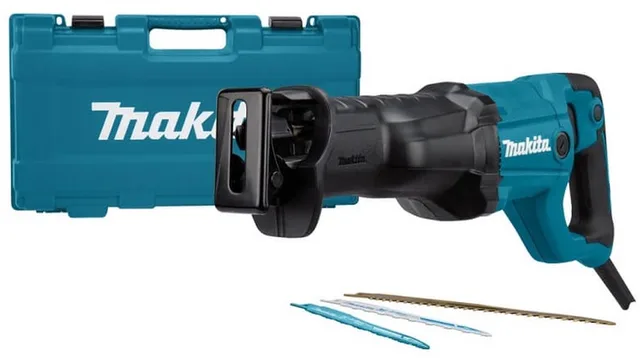
Jr3051tk Reciprozaag
1,200 WFrom €114.09 · at 7 shops
Lowest in 52 days
More guides
- Which battery platform should you choose? With a battery platform you buy batteries once and use them across many tools of the same brand. Here’s how to choose the platform that fits your work. Read the guide
- Combi drill, SDS, SDS-plus or rotary hammer: the difference A combi drill and a rotary hammer look alike, but they work in very different ways. Here’s what each type does and which specifications to compare. Read the guide
- Circular saw or plunge saw? Both saws use a round blade and cut straight. The difference is how the blade enters the material and how you guide the saw. Read the guide

- Guide Batteries and Ah explained
- Guide Brushless motors: what do they get you?
- Guide Choosing a cordless lawn mower
- Guide Choosing a robot mower: with or without a wire?
- Guide Choosing a hedge trimmer: blade length, tooth spacing and reach
- Guide Choosing an angle grinder: size, battery and the right disc
- Guide Choosing an air compressor: air delivery, pressure and tank size
- Guide Bosch green or blue: what is the difference?
- Guide Choosing a chainsaw: cordless, corded or petrol
- Guide Choosing a pressure washer: bar, litres per hour and accessories