Choosing an angle grinder: size, battery and the right disc
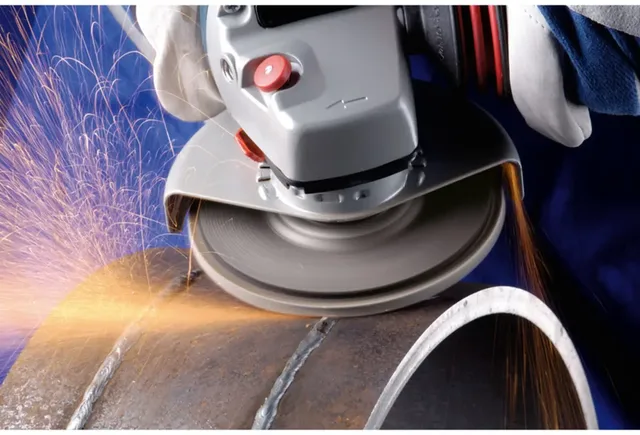
For most jobs at home and on site, an angle grinder with a 125 mm disc is the right choice. After that, cordless or corded, the safety functions and the disc that suits the material decide.
Popular picks from this guide
- Go to Contorion DE
-
Bosch Professional Diamantdoorslijpschijf Standard for Concrete 300 x 20,00+25,40 x 2,8 x 10 mmGo to Contorion DE
€80.94 · 1 offer
- Go to Alternate DE
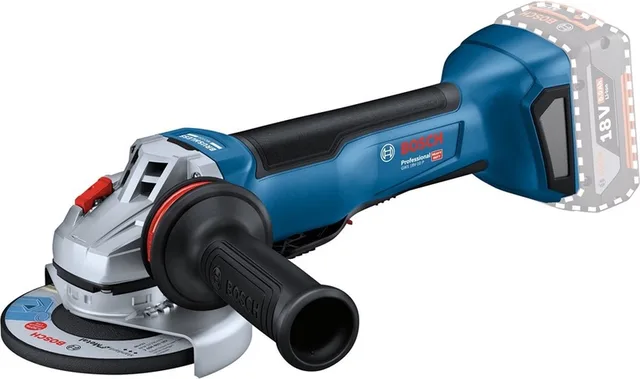
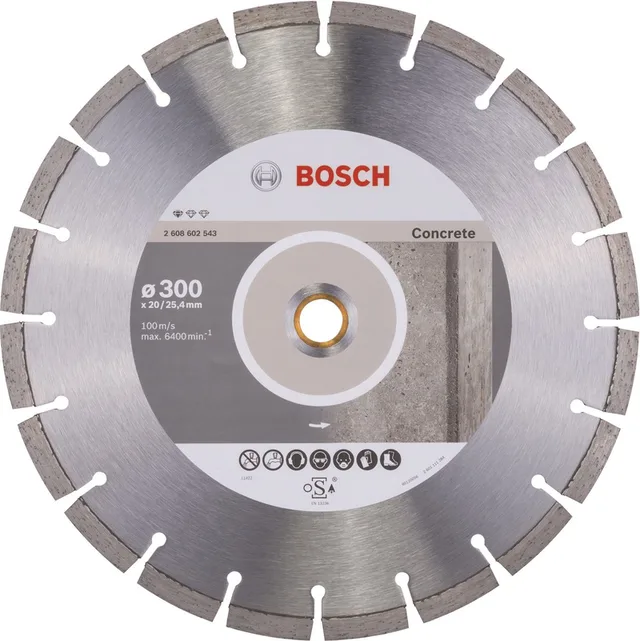
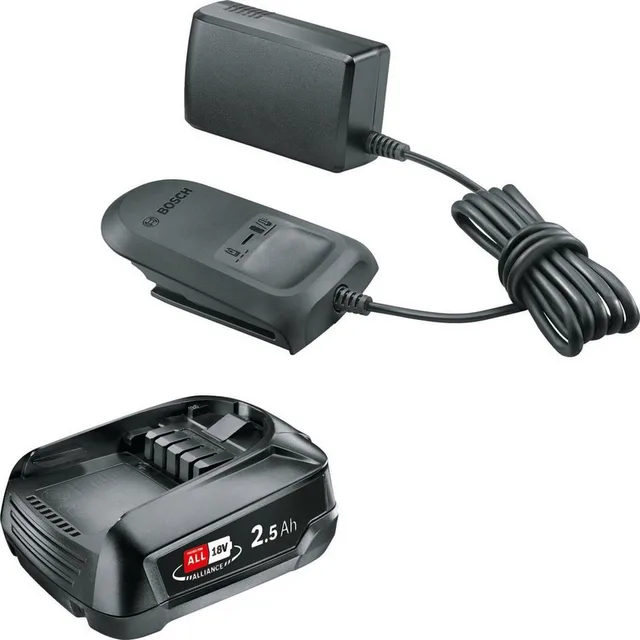
Popular products at today's lowest price. Compare every shop on the product page.
Which size: 115, 125 or 230 mm?
The size of an angle grinder is the diameter of its disc. Common sizes are 115, 125, 150, 180 and 230 mm. Small grinders of 115 or 125 mm are held by the body and the side handle and reach into tight corners. 125 mm is the most common size, with the widest choice of discs.
Large grinders of 180 or 230 mm cut deeper, for example through paving stones, pipes or thick sections. They are heavier and built for two hands. The maximum cutting depth is in the maker's specifications. Never fit a larger disc than the grinder and its guard are made for.
Cordless or corded?
Cordless angle grinders of 115 or 125 mm exist in every 18 V platform; for 230 mm some brands offer tools on 36 V (two 18 V batteries) or on their 40 V or 54 V platform. Without a cord you can work anywhere, but cutting and heavy grinding use a lot of energy: take a large battery for that, and read the guide to battery platforms first.
A corded grinder has no runtime limit and usually costs less for the same power. Makers state the power input in watts. For long cuts in stone or metal and for work in the workshop, a corded tool is often more practical.
Safety functions to look for
Restart protection stops the grinder from starting by itself after a power cut or when you plug it in while the switch is still locked on. A soft start raises the speed slowly, so the grinder does not jerk in your hand when you switch it on.
Many newer grinders switch off when the disc suddenly jams; brands call this kickback stop or KickBack Control. A disc brake stops the disc within a few seconds after switching off. A paddle switch (dead-man switch) stops the grinder as soon as you let go. Always work with the guard and side handle.
Which disc for which material?
Thin cutting discs are for cutting, thick grinding discs for removing material, such as welds. Never grind with the side of a cutting disc and never cut with a grinding disc. For stainless steel use discs marked INOX: they are practically free of iron, sulphur and chlorine and leave no rust on the workpiece.
For concrete, natural stone and tiles there are diamond discs: segmented for concrete and masonry, continuous rim for clean cuts in tiles. Flap discs grind and smooth metal in one pass, wire brushes remove rust and paint. For cuts in concrete and masonry there are dust shrouds, to which you connect a class M wet and dry vacuum.
Every grinding and cutting disc shows its diameter, its bore (usually 22.23 mm) and its maximum speed in rpm and peripheral speed in m/s. That speed must be at least the no-load speed of the grinder. An angle grinder with X-LOCK (Bosch) only takes discs with an X-LOCK mount.
Speed control
Many angle grinders always run at full speed. With speed control you set a lower speed, for example for stainless steel, wire brushes or polishing. If you rarely need that, a fixed-speed grinder will do.
Comparing on ToolRango
Cordless angle grinders come as a bare tool without battery and charger and as a kit. Each version has its own EAN or part number, and ToolRango compares them separately. That way you see the shops' prices for exactly the version you want.
Frequently asked questions
Which angle grinder for DIY?
For most DIY users an angle grinder with a 125 mm disc is the best choice: easy to handle, with discs for metal, stone and tiles. Look for restart protection and soft start. If you already own batteries of a platform, the bare tool of that brand is the cheapest option.
Can I fit a 125 mm disc on a 115 mm angle grinder?
No. The guard is made for the stated diameter and does not cover a larger disc. Discs are also rated for the speed of the matching grinder size. Only use the diameter the maker states for your grinder.
Which cutting disc for stainless steel?
A thin cutting disc marked INOX. It is practically free of iron, sulphur and chlorine, so no rust forms on the stainless steel. A lower speed reduces the heat in the workpiece.
Keep browsing
ToolRango does not test tools. This guide sets out what manufacturers and standards say. Always follow the manual of your own tool.
Products from this guide
Popular products with a current price at the shops. Compare the prices on the product page.
- Bosch Professional
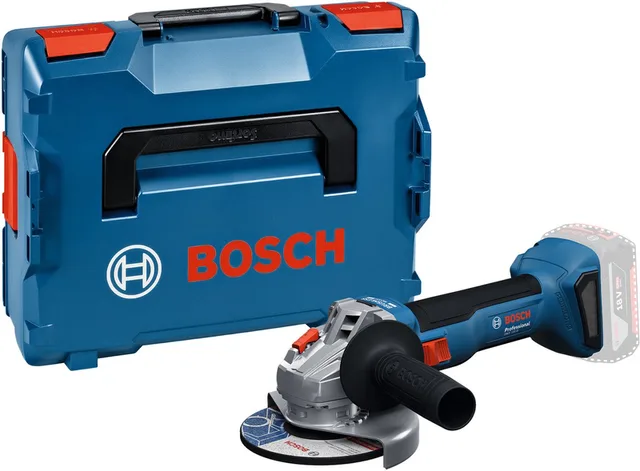
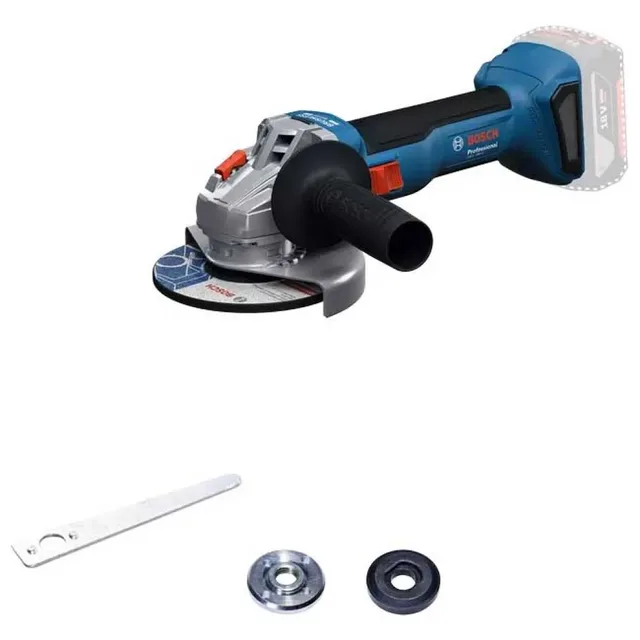
GWS 18V-8
Haakse slijper18 VFrom €129.94 · 5 offers
- Bosch Professional
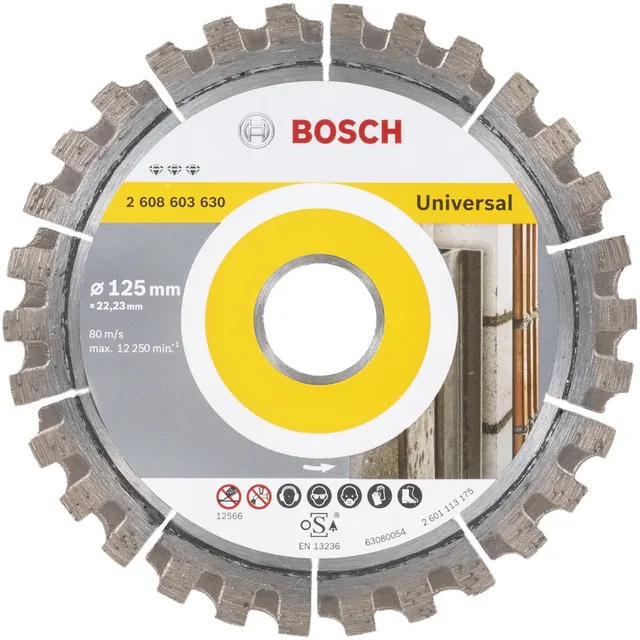
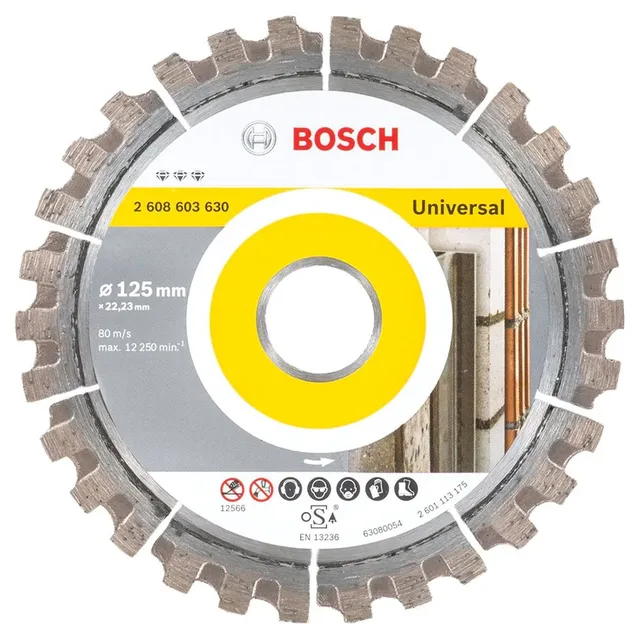
Diamantschijf Best Univer+Met 125/22,23
€99.48 · 1 offer
- Bosch Professional
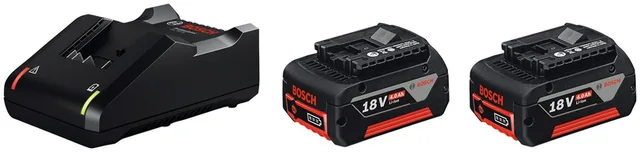
»GBA 18V 4.0Ah« Akku Starter-Set (2 St)
18 V4 AhFrom €170.89 · 4 offers
- Bosch Professional
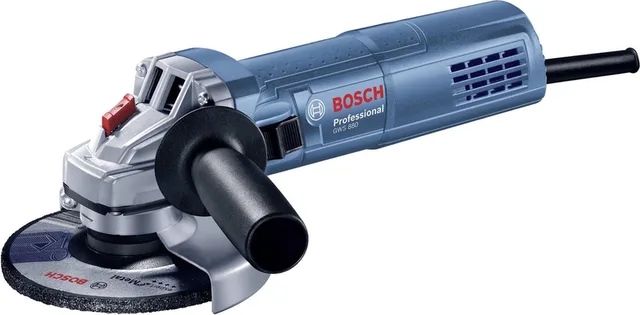
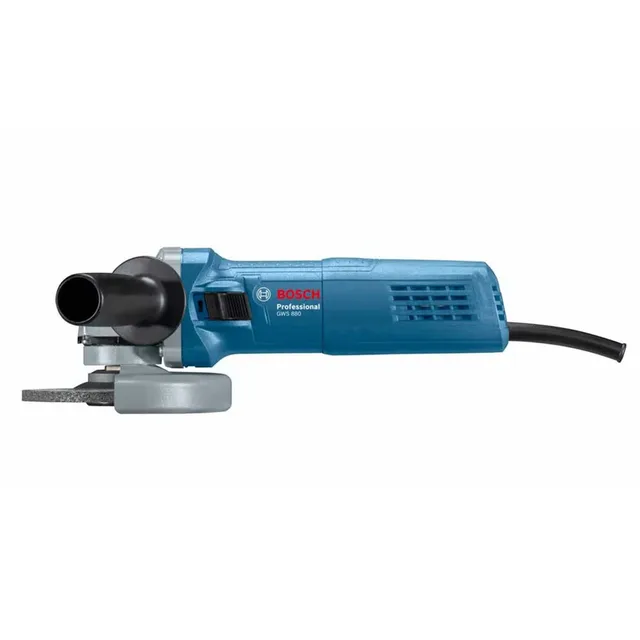
GWS 880 Haakse slijper
125 mm · 880 W125 mm880 WFrom €71.89 · 3 offers
- PFERD
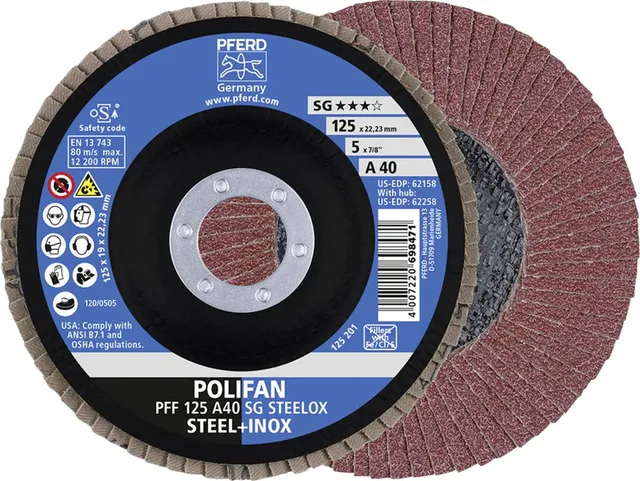
TOOLS 67604125 A Sg Steelox Fächerschleifscheibe Durchmesser 125 mm Bohrungs-Ø 22.23 mm Körnung (num) 40 10 St
125 mmFrom €62.83 · 2 offers
More guides
- Which battery platform should you choose? With a battery platform you buy batteries once and use them across many tools of the same brand. Here’s how to choose the platform that fits your work. Read the guide
- Combi drill, SDS or rotary hammer: the difference A combi drill and a rotary hammer look alike, but they work in very different ways. Here’s what each type does and which specifications to compare. Read the guide
- Circular saw or plunge saw? Both saws use a round blade and cut straight. The difference is how the blade enters the material and how you guide the saw. Read the guide

- Guide Choosing a saw blade: teeth, bore and shank
- Guide Batteries and Ah explained
- Guide Brushless motors: what do they get you?
- Guide Choosing a cordless lawn mower
- Guide Choosing a robot mower: with or without a wire?
- Guide Choosing a hedge trimmer: blade length, tooth spacing and reach
- Guide Choosing an air compressor: air delivery, pressure and tank size